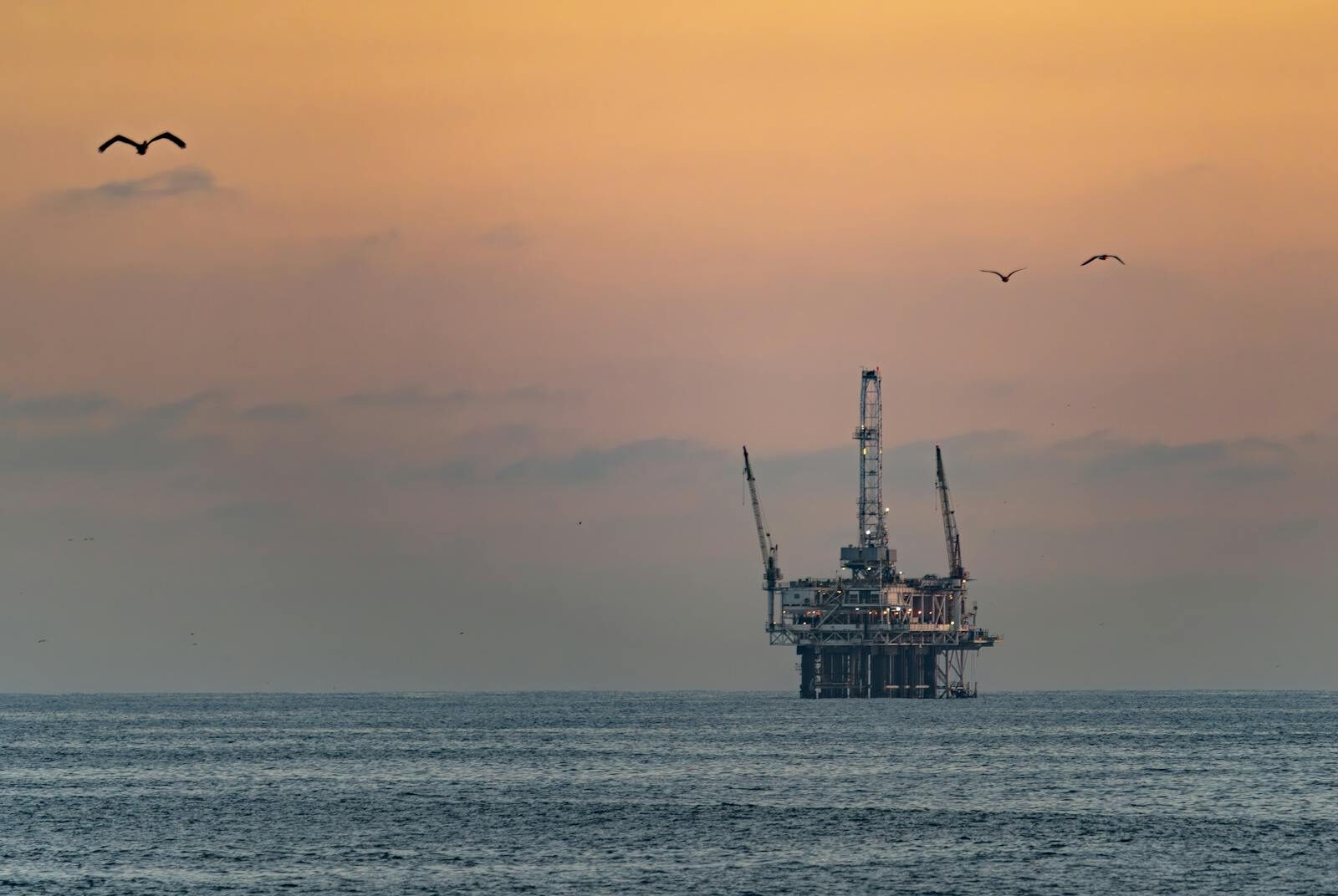
PARAMARIBO, Suriname – The United States is significantly ramping up its diplomatic and economic presence in the Caribbean, positioning itself as a primary partner for Surinames rapidly emerging oil and gas sector.
Speaking in Paramaribo, Paul Watzlavick, Charge d Affaires at the U.S. Embassy, emphasized that the region has become an essential partner for American interests. The shift comes as Suriname prepares for a transformative economic period, with first oil production from its offshore reserves expected within the next two years.
A Strategy for Regional Sovereignty
The U.S. approach focuses on more than just resource extraction. Watzlavick outlined a vision for energy security that includes modernizing aging power grids and building resilient infrastructure across the CARICOM bloc.
We want partnerships that support a strong workforce, keep our people safe, and respect the sovereignty of every country, Watzlavick stated. He noted that while the specific energy needs of Suriname differ from established hubs like Trinidad or Texas, the overarching goal of a stable, modern power system remains the same.
Warning Against External Manipulation
In a pointed reference to global geopolitical competition, the U.S. envoy warned Caribbean nations against entering into opaque agreements with outside powers. Watzlavick cautioned that reliance on unsustainable financing or technology that is controlled from abroad could undermine national independence.
We have all seen what happens when contracts for power projects or pipelines come with unsustainable debt or technology that cannot be operated locally, he said. Extraction should not be a one-way street. Energy and natural resources should strengthen the countries that own them.
The Role of American Industry
The success of American firms in the region was highlighted as a blueprint for future cooperation. APA Corporation was specifically cited for its pioneering risk-taking in Surinames offshore exploration, a move that is now on the verge of paying off for the local economy.
Beyond exploration, the U.S. is pushing for its companies to manage the broader value chain, from building modern refineries to managing complex distribution systems. This technical expertise is seen as a key differentiator for U.S. firms compared to state-backed competitors from other regions.
A 50-Year Vision for CARICOM
Looking toward the future, the U.S. is advocating for a long-term development strategy rather than quick-fix solutions. The goal is to integrate American resources with Caribbean infrastructure to create a reliable energy web that can power the region for the next half-century.
Todays investments should be focused on how we want this region to look 50 years from now, Watzlavick concluded. By combining reliable energy with modern grids, we can power the entire region to a brighter future.
For travelers and investors looking at the Guiana Shield, these developments signal a period of intense infrastructure growth and increased international connectivity for Suriname in the coming decade.