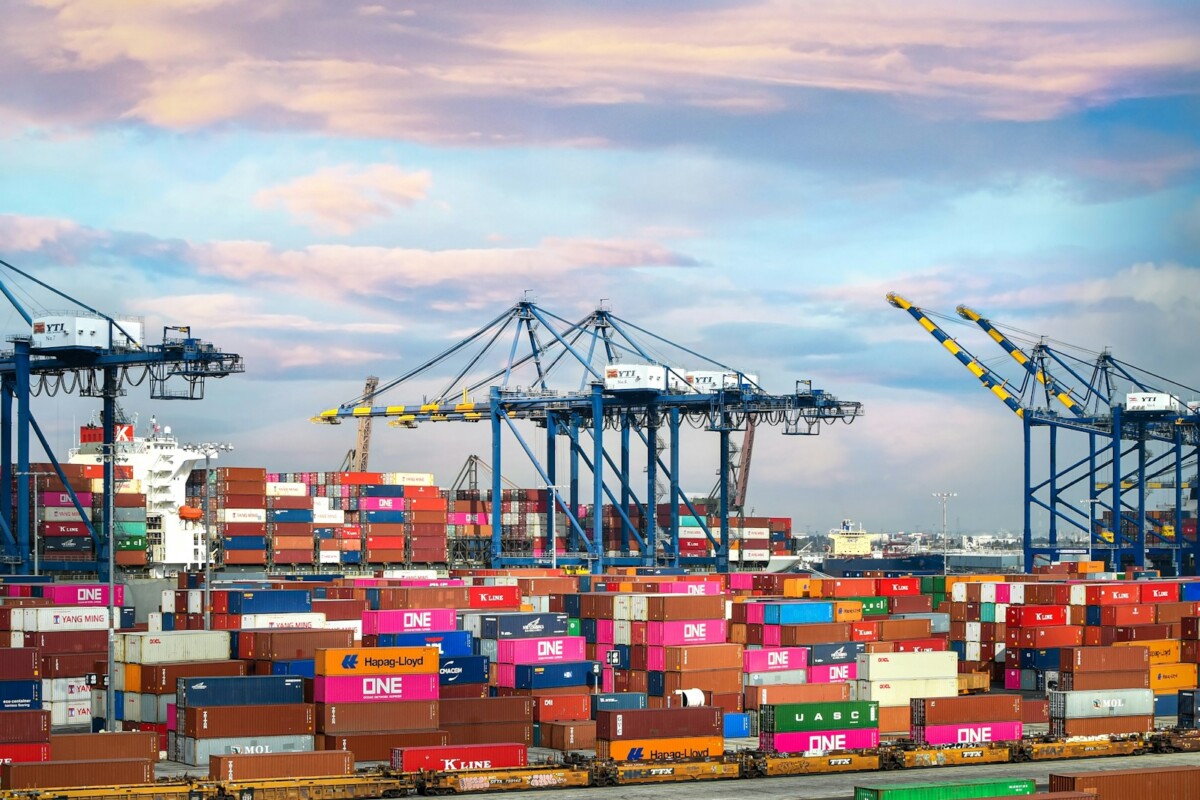
The global supply chain has faced unprecedented disruption in recent years. From pandemic-driven slowdowns to geopolitical tensions, spiralling energy prices, and a shortage of shipping containers, businesses worldwide are having to rethink their operations. One outcome of these challenges has been a sharp rise in cross-border machinery relocations, as manufacturers and logistics firms look to adapt to rapidly changing circumstances.
Global Pressures Shaping Manufacturing and Logistics
The traditional global supply chain model, with manufacturing concentrated in a handful of regions and goods shipped worldwide, is under pressure. Three key challenges have accelerated the need for relocation of machinery and production facilities:
- Container Shortages
The imbalance in global trade, particularly during the pandemic, resulted in containers accumulating in the wrong locations. Even as shipping recovered, the mismatch between demand and available equipment led to skyrocketing costs. For many businesses, it became more cost-effective to relocate machinery and establish production closer to their markets, rather than relying on expensive and uncertain imports.
- Rising Energy Costs
Energy prices have surged across Europe and Asia, adding further strain on manufacturers. Countries with historically lower energy costs are now less competitive, prompting businesses to reassess where production is located. By relocating machinery across borders, companies can position themselves in markets with more stable or affordable energy supplies.
- Supply Chain Disruptions
From semiconductor shortages to raw material delays, unpredictability has become the new normal. Businesses with long and fragile supply chains are more vulnerable to risk. By relocating equipment to facilities closer to suppliers or customers, companies can reduce transit times and improve their resilience.
Why Cross-Border Machinery Relocations Are Growing
Moving heavy machinery across borders is not a simple undertaking; however, it is increasingly viewed as a strategic necessity. Several factors explain why relocations are becoming more common:
- Cost Avoidance: Instead of paying inflated shipping costs for finished goods, companies can cut transport expenses by relocating machinery to regional hubs.
- Market Proximity: Positioning machinery closer to end-users allows for quicker response times and shorter lead times.
- Resilience Building: Relocating machinery reduces reliance on vulnerable shipping routes, helping businesses withstand disruptions.
- Sustainability Goals: Shorter transport routes reduce carbon emissions, supporting corporate environmental targets.
Key Industries Affected
While machinery relocation affects many sectors, some industries are feeling the impact more keenly:
- Automotive: With global demand fluctuating and electric vehicle production ramping up, automotive manufacturers are repositioning assembly lines and specialist equipment across Europe, Asia, and North America.
- Textiles and Consumer Goods: Rising labour costs in certain regions have led to a shift towards nearshoring, with machinery moving closer to consumer markets.
- Heavy Industry and Engineering: Energy-intensive industries are under pressure to move operations to countries with more competitive energy pricing.
- Food and Beverage: Perishable supply chains demand reliability, pushing companies to relocate processing equipment closer to local markets.
Challenges of Cross-Border Relocations
Although demand is rising, cross-border machinery relocations bring their own set of complexities:
- Logistics Complexity: Oversized and heavy machinery requires careful planning, specialist lifting, and compliance with customs regulations.
- Downtime Risk: Relocations must be timed and executed precisely to minimise production disruption.
- Regulatory Compliance: Moving equipment between jurisdictions often involves adhering to new safety, environmental, and tax requirements.
- Insurance and Liability: Machinery relocations require specialist coverage due to the risks associated with transport and reinstallation.
Specialist Providers in Demand
Because of these challenges, businesses are increasingly relying on specialist machinery relocation companies with expertise in international projects. These providers manage end-to-end operations, including dismantling, packing, transportation, customs clearance, and reinstallation. Their knowledge of handling complex projects ensures compliance and minimises downtime, both of which are critical in an era where every delay carries significant cost implications.
The Role of Technology
Modern relocations are also being supported by technology. Advanced logistics software helps track shipments, while 3D modelling ensures accurate dismantling and reassembly of complex equipment. Digital tools are also used for risk assessment, enabling relocation specialists to anticipate delays or bottlenecks before they occur.
Future Outlook
The global supply chain crisis has accelerated a shift that may well become permanent. Instead of relying too heavily on distant suppliers, businesses are diversifying their production locations and strengthening regional supply networks. Cross-border machinery relocations will continue to rise as:
- Energy volatility persists, forcing manufacturers to seek stable environments.
- Container markets remain unpredictable, making it more attractive to move equipment rather than rely on shipping.
- Geopolitical uncertainties are increasing, leading firms to hedge their risks by diversifying their production bases.
The challenges of container shortages, rising energy costs, and ongoing supply chain disruptions are reshaping the global manufacturing landscape. As a result, cross-border machinery relocations are no longer just a reactive measure but a proactive strategy for many companies. By relocating machinery closer to suppliers, customers, or stable energy markets, businesses can safeguard their operations and build long-term resilience.