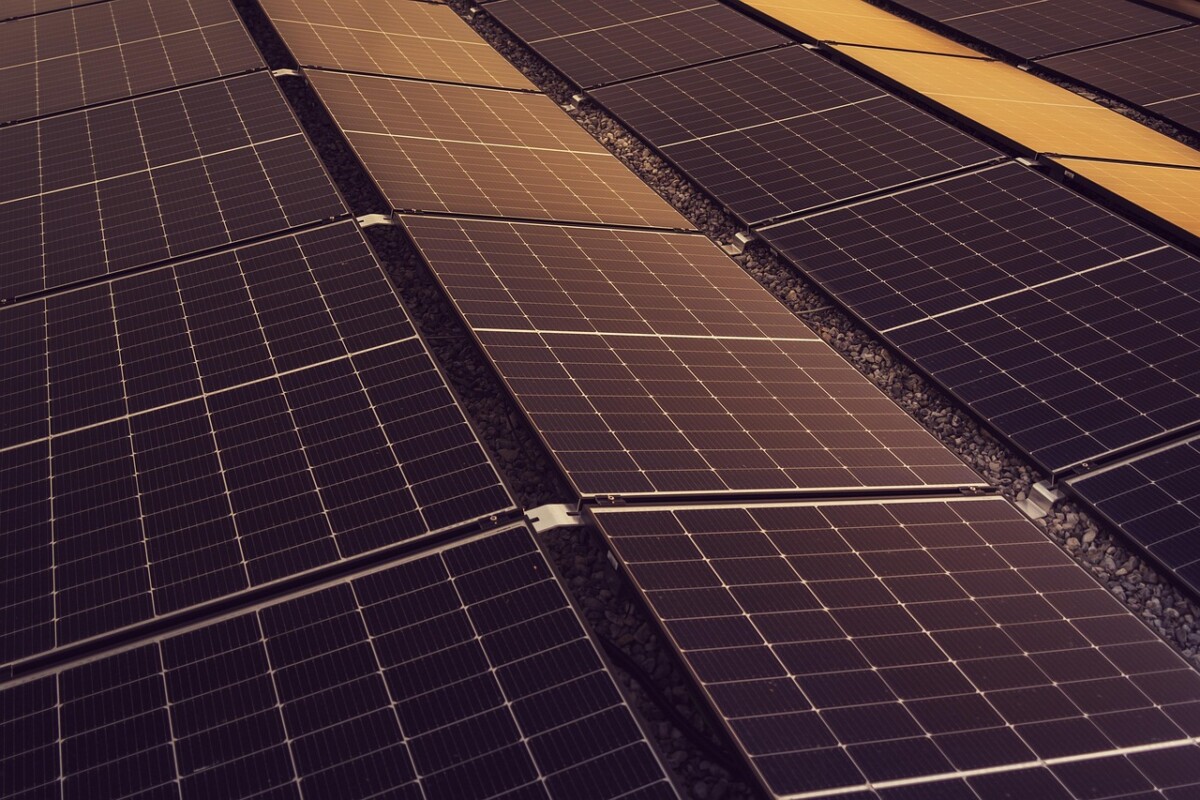
As the demand for renewable energy continues to rise, businesses across the UK and beyond are seeking practical ways to reduce their carbon footprint without incurring significant upfront expenses. Solar power is one of the most accessible renewable technologies, yet many organisations hesitate to invest due to the capital cost of installing panels. This is where Power Purchase Agreements (PPAs) step in, offering a financing model that enables businesses to go solar with little or no initial investment.
What is a Power Purchase Agreement (PPA)?
A Power Purchase Agreement is a long-term contract between a business and an energy provider. Under the terms, a solar developer finances, installs, and maintains a solar photovoltaic (PV) system on the business’s property. The business then purchases the electricity generated at an agreed rate, typically lower than the standard market price.
This model enables companies to achieve immediate savings on their energy bills while helping them meet their sustainability goals. Since the developer assumes responsibility for design, installation, and maintenance, the business benefits from renewable energy without the burden of managing the system itself.
Why Businesses Are Choosing PPAs
The popularity of PPAs stems from their ability to eliminate the barrier of upfront capital investment. Instead of spending thousands – or even millions – on solar infrastructure, organisations can redirect funds into core business activities. At the same time, they lock in predictable energy costs for the future, which can provide valuable protection against volatile electricity prices.
For businesses with corporate social responsibility (CSR) targets, a PPA also strengthens sustainability credentials. Demonstrating reduced carbon emissions enhances a company’s reputation with customers, stakeholders, and regulators.
Financing Models Behind PPAs
While PPAs share a common framework, there are variations in how they are structured and financed. Understanding these models enables businesses to select the arrangement that best suits their needs.
- On-Site (Behind-the-Meter) PPAs
In this model, a solar panel installation is carried out on the business’s premises – often on rooftops, car parks, or unused land. The electricity generated is consumed on-site, reducing reliance on the national grid. Any surplus energy may be exported back to the grid, sometimes generating additional revenue.
- Off-Site (Virtual) PPAs
Not every organisation has the space or roof structure for a solar system. Virtual PPAs solve this issue by connecting businesses with renewable energy projects located elsewhere. The electricity generated is sold into the grid, while the business purchases the equivalent amount through a contract. This arrangement enables companies to benefit from renewable energy credentials without the need to install panels directly.
- Fixed-Rate PPAs
Here, the business agrees to purchase electricity at a fixed price for the duration of the contract. This provides stability and aids in financial planning, particularly during times when energy costs are unpredictable.
- Discount-to-Market PPAs
Instead of a fixed price, the rate is tied to the wholesale electricity market but includes a guaranteed discount. Businesses can benefit from renewable energy while still capitalising on market trends.
- Hybrid Financing Models
Some developers offer a combination of leasing and PPA structures. For example, a company may pay a small contribution towards installation while locking in favourable electricity rates. These arrangements can be tailored to strike a balance between cost savings and risk.
Benefits of PPAs for Businesses
- No Upfront Costs: The most obvious advantage is that businesses can adopt solar power without capital expenditure.
- Immediate Savings: Energy prices under a PPA are typically lower than those of traditional suppliers.
- Sustainability Impact: Companies can demonstrate a tangible commitment to renewable energy.
- Maintenance-Free: The developer handles installation, operation, and servicing, removing technical challenges for the business.
- Scalability: Businesses can expand solar capacity through renegotiated or extended agreements.
Potential Considerations
While PPAs offer numerous benefits, businesses should carefully evaluate the contract terms. Typical agreements last 10–25 years, requiring long-term commitments. Companies should assess energy needs, future growth, and site suitability before signing. Legal and financial advice is often recommended to ensure contracts align with strategic objectives.
PPAs in the UK Market
The UK government’s push towards net-zero has encouraged both large corporations and SMEs to explore solar PPAs. Many retailers, manufacturers, and service providers are already adopting them as a way to achieve sustainability goals without incurring financial strain. As energy prices remain volatile, the attractiveness of PPAs is expected to grow, making them a cornerstone of corporate renewable energy strategy.