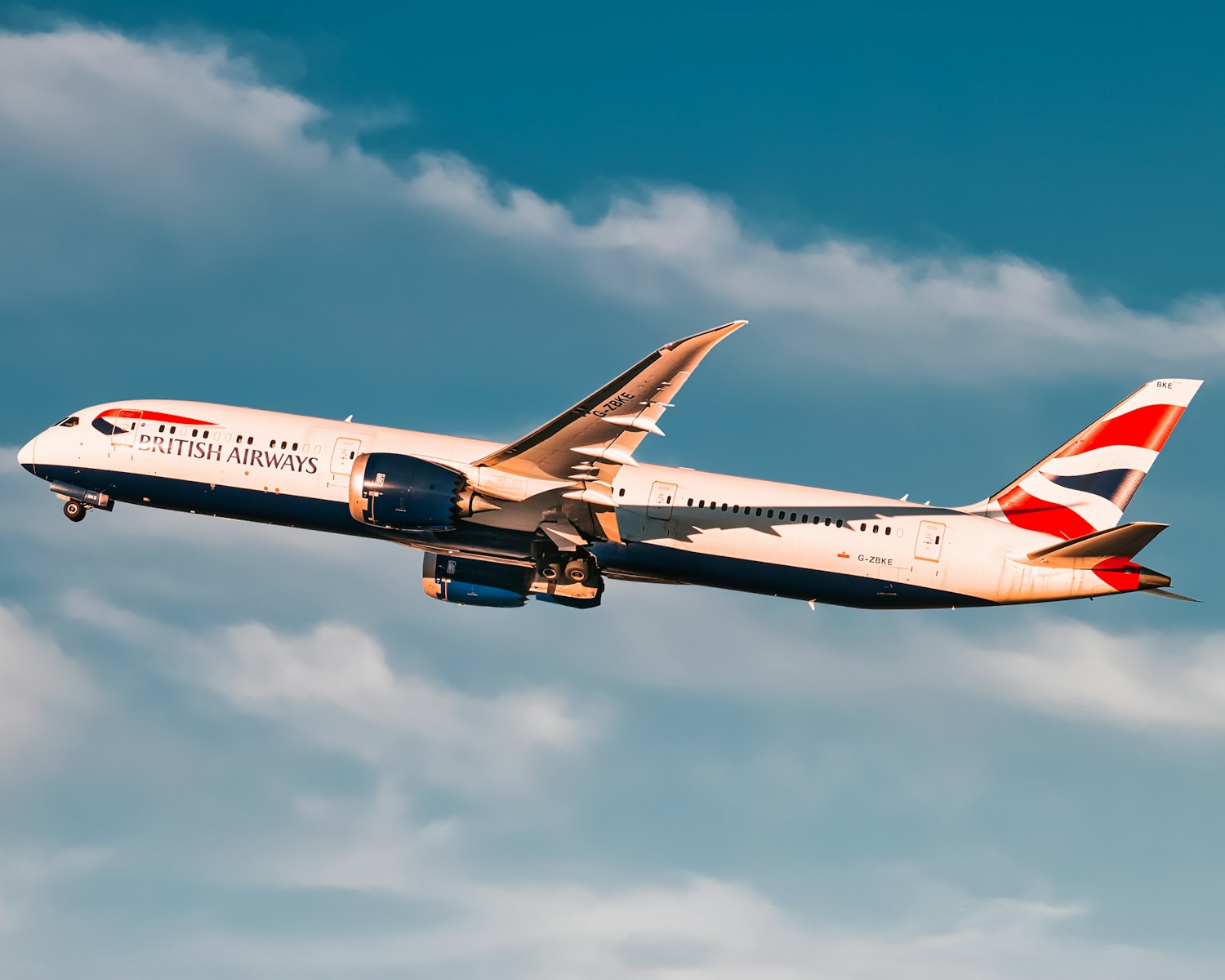
A former British Airways stewardess has shared her secret tip to help passengers beat jet-lag this Summer.
Jane Hawkes spent years criss-crossing the globe as a flight attendant so knows better than most how to tackle timezone-tiredness.
And travel expert Jane, who now runs the Lady Janey consumer advice website, says one thing helps better than most.
“Choosing a seat away from the back of the plane is the best way to avoid jetlag,” she says. ““If you struggle to sleep on a plane but have a late flight, I always advise travellers to avoid a seat at the back of the aircraft and around the galley areas as they are generally noisier.
Jane says passengers should also adjust their watches to the time at their destination when they board the aircraft and avoid night flights if they find it difficult to sleep on planes.
“You can also make gradual changes to your bedtime and meal routines in the run up to your flight which can make adjusting to a different time zone much easier.”
And although us Brits are known for starting our holiday at the airport – particularly the bar – Jane advises travellers to avoid caffeine and alcohol.
“It might be tempting to get a drink before you fly, and to enjoy a drink on the aircraft, particularly if it is included. But alcohol will dehydrate you and disrupt your sleep, making your jet lag feel worse.”
Here, Jane shares her top five tips for avoiding jet-lag:
Avoid caffeine and alcohol
It might be tempting to have a few cups of coffee to stay alert and awake but you could end up with an even fuzzier head. Due to its sedative properties, alcohol may help you fall asleep quicker. However it can impact your overall quality of sleep and a hangover as well as jet lag will make you feel even worse. It might be less of the ‘holiday spirit’ but listen to soothing podcasts and meditation apps to induce sleep and reinvigorate by drinking lots of water instead.
Change your routines
Making gradual changes to your bedtime and meal routines in the run up to your flight can help you adjust quicker when you reach your destination. For example if you are usually in bed by 10pm and the time zone you are heading to means that you’ll have to stay awake for a lot longer, edge bedtime first to 11pm then midnight and 1am. Equally if you’re not a morning person but you’re going to have to be up with the larks when away, nudge your daily wake up times earlier before you fly.
A general rule is that the number of days you will be jet lagged will equal the number of time zones you cross if travelling East and two thirds that number if travelling West.
Think timings
If your trip is a short one, it’s not worth trying to change your time clock unless you really need to. If you can resist the urge to sleep and stick to UK time it’s much quicker to adjust when you get back home so try keeping as much as possible to your usual wake up, bed and mealtimes.
If you don’t sleep very well on planes, avoid an overnight flight and opt for a day one instead which arrives in the evening so you don’t have to wait too long before hitting the sack.
Set an alarm
If you are travelling East, set an alarm so you can get up as early as possible even if it is the middle of the night at home. It’s not easy to do but getting out and about in daylight can help reduce jet lag. Reset watches and clock times as soon as you get on board an aeroplane to give yourself the maximum possible time to adjust to a new time zone en route.
Look after your wellbeing
Eat light meals, wear comfortable clothing, take ear plugs and choose your seat carefully on board if you can select one. The rear of the plane can be a lot noisier as can any seats around the galley areas.
You should also avoid making any big adventurous plans on arrival. Navigating your way round a new place can be very stressful and it’s easier and more enjoyable to do when jet lag eases. Take short naps if necessary but avoid napping for longer than 30 minutes as this can stop you from falling asleep properly later and will delay the adjustment process.
For more free advice visit www.ladyjaney.co.uk