Moving Compared highlights the garden warning signs buyers should check before winter makes Japanese knotweed harder to spot
- Japanese knotweed grows most vigorously between May and October, before above-ground growth dies back over winter
- Current property guidance treats knotweed growing on a property or within three metres of its boundary as relevant to buyer risk
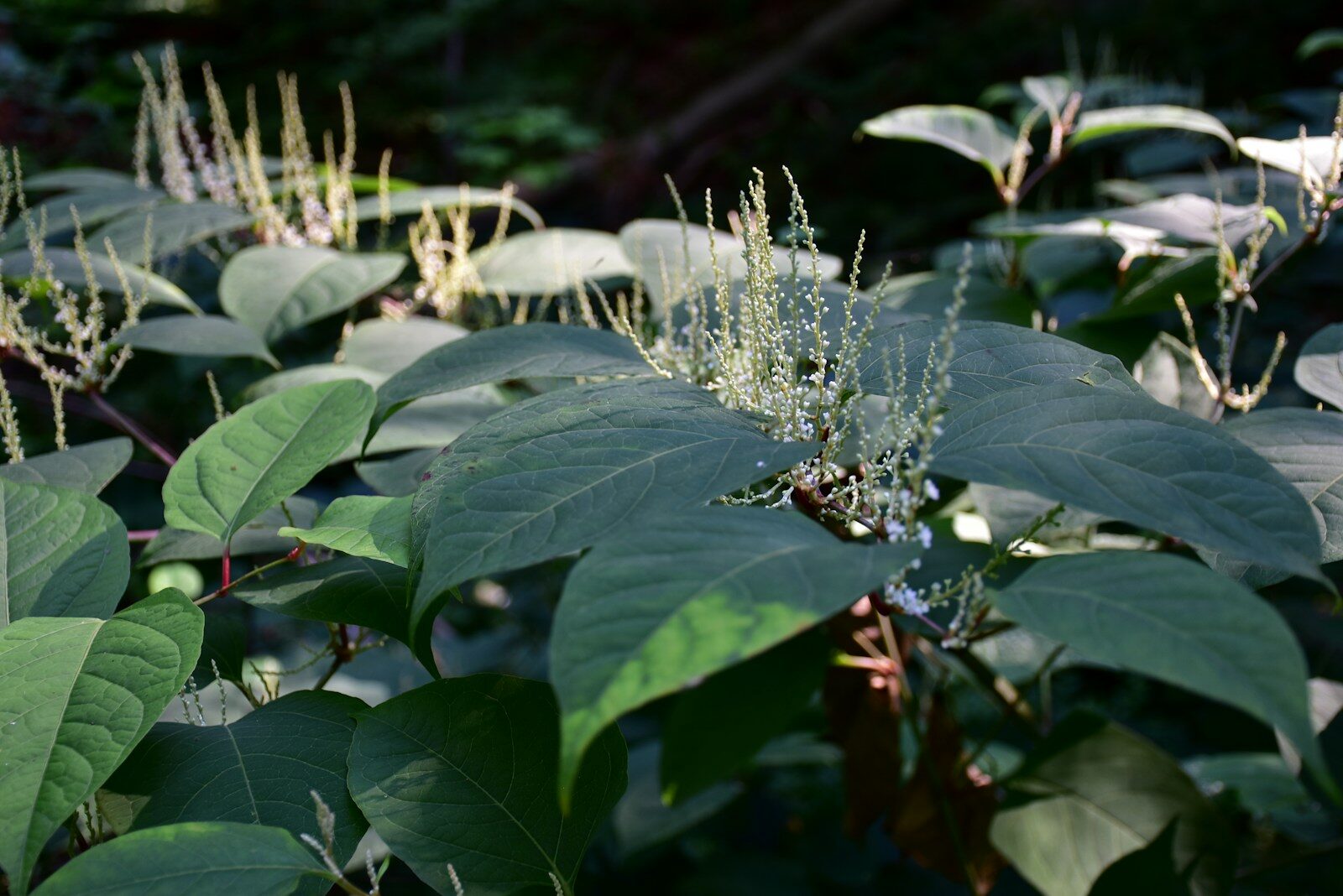
Autumn homebuyers are being urged to look closely at gardens before winter makes one of Britain’s most notorious invasive plants harder to identify. Japanese knotweed grows most vigorously between May and October, when its tall canes and distinctive leaves are easier to spot. As temperatures fall, it sheds its leaves and dies back above ground, leaving buyers viewing later in the year with fewer visible clues.
Moving Compared, the UK’s leading home moving hub helping buyers and sellers compare trusted conveyancers and surveyors, is highlighting the checks buyers should make while knotweed is still relatively visible. Its Japanese knotweed guide explains how the plant can affect a survey and mortgage, and why suspected growth should be investigated before exchange.
Check beyond the flowerbeds
Japanese knotweed does not need to be growing beside the house to matter. Current property guidance says buyers should pay attention where it is present within the property boundary or within three metres of it on adjoining land.
That makes fences and neighbouring gardens worth checking during a viewing. A buyer who spots suspicious growth should avoid trying to identify it with certainty themselves and raise it with their surveyor.
Know what autumn growth looks like
Late summer and early autumn can make knotweed easier to recognise because above-ground growth is still present. Buyers may see tall bamboo-like canes or clusters of creamy-white flowers, while the leaves begin to yellow later in the season.
By winter, the plant dies back but the underground rhizome remains alive. Old canes can still provide clues, but reduced foliage can make an infestation less obvious, particularly where gardens have recently been cleared.
Check the paperwork as well as the garden
The legal paperwork can be just as important as what is visible. The current TA6 property information form asks sellers about Japanese knotweed, and where a survey or management plan exists, relevant documents should be provided.
A seller may legitimately answer “not known” if they cannot confirm whether knotweed is present. Buyers should therefore avoid treating the form as a substitute for their own checks if the garden or neighbouring land raises concerns.
Do not assume knotweed automatically kills the purchase
Current professional guidance takes a more proportionate approach than the old blanket seven-metre rule. The level of concern depends on whether the plant is causing visible damage or restricting use of the property.
If knotweed is identified, a surveyor may recommend specialist assessment and a management plan. Mortgage requirements can vary, so buyers should establish what their lender needs before progressing too far into the transaction.
Moving Compared says autumn gives buyers a useful opportunity to notice something that could be less obvious a few months later. Spotting possible knotweed does not automatically mean walking away, but identifying it early gives the buyer more time to understand the issue and decide whether the property still works for them.
About Moving Compared
Moving Compared is the UK’s leading home moving hub, helping buyers, sellers and movers compare quotes from trusted professionals across conveyancing and surveying. Built to make the moving process clearer and less stressful, Moving Compared connects users with vetted, reviewed and rated partners, giving movers a simple way to compare services, understand costs and choose the right professionals for their move.
The platform brings conveyancing and surveying into one place, helping users save time, reduce uncertainty and avoid last-minute cost surprises during one of the most expensive and complex moments in the property journey. For more guidance, movers can also use Moving Compared’s moving costs guide.