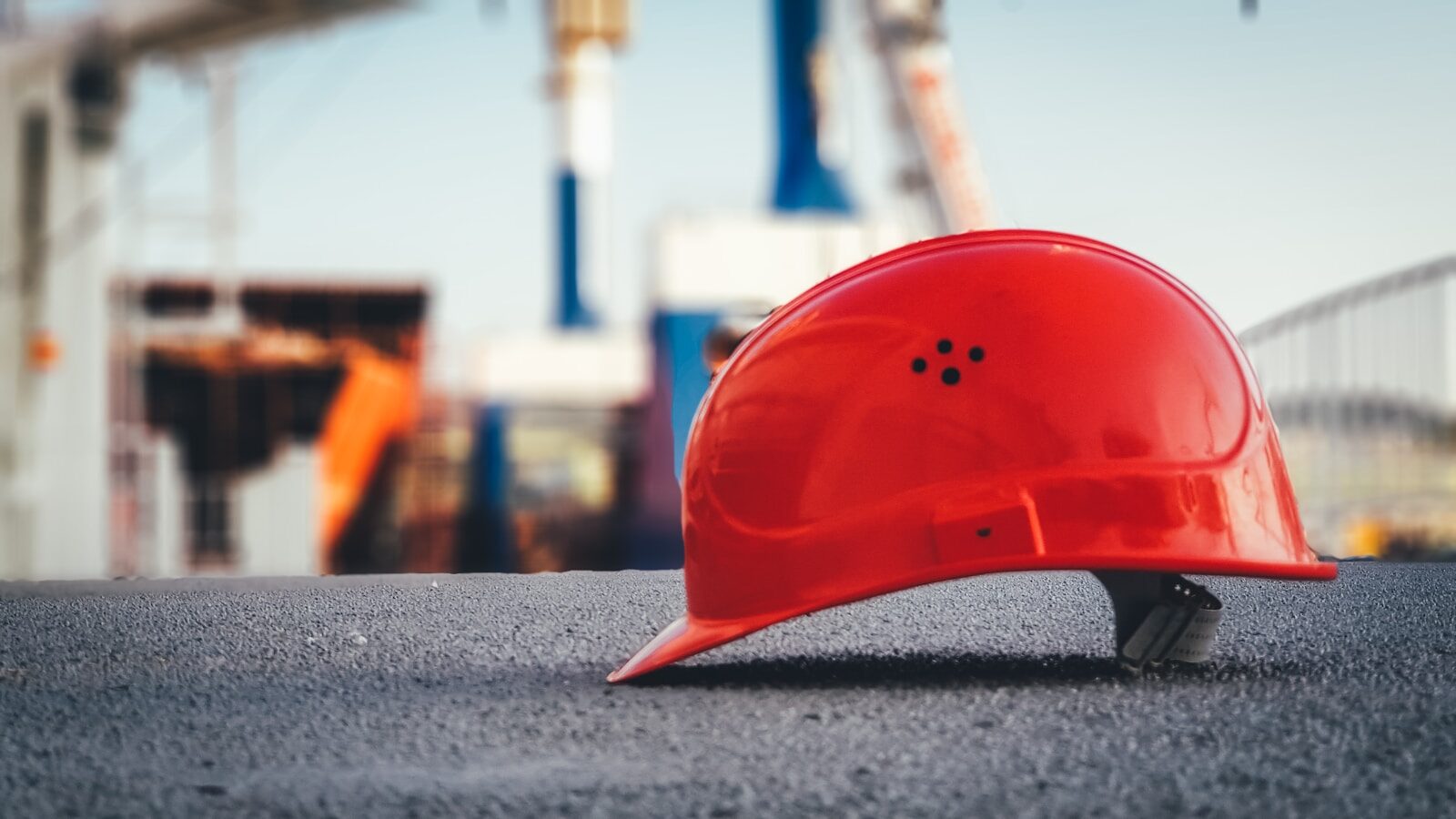
Specialist property care teams regularly work in occupied homes, damaged buildings, confined spaces and structurally compromised properties, yet many of the health and safety decisions that protect workers, residents and members of the public remain largely unseen.
To mark the 30th anniversary of National Safety Month this June, Timberwise has launched a new five-part blog series exploring how health and safety is managed across specialist property care projects, from initial surveys through to completed works.
George Edwards, Managing Director of Timberwise, believes health and safety is too often misunderstood.
“People talk about health and safety like it’s just paperwork, but it’s not,” he said. “At Timberwise, we are committed to building a culture where health and safety are adopted and practised at every level of the business, reinforced by a continual drive towards zero incidents.
“That approach applies across the board, from technicians working on site to surveyors assessing property risks and office teams supporting projects behind the scenes.”
The series, which runs throughout June with a new article published each Monday, is designed to provide homeowners, commercial property managers and industry professionals with a better understanding of the planning, training and decision-making required to carry out specialist work safely.
“Specialist property care work is rarely straightforward,” George said. “Our teams regularly operate in occupied homes, commercial buildings, damaged structures and confined spaces, often in environments where residents, customers or members of the public are close by.
“Those conditions are unpredictable. Safe working depends on preparation, communication and people knowing how to respond when the job in front of them does not match the description on paper.”
The opening article, published on Monday 1 June, provides an overview of how risks are identified, assessed and managed across the full range of services delivered by Timberwise.
The second instalment, released on Monday 8 June, focuses on the people behind the work. Technicians, surveyors and office-based teams all face different challenges and responsibilities, and the article examines how support, training and risk management are tailored to individual roles rather than approached through a one-size-fits-all system.
On Monday 15 June, the focus shifts to occupied properties and the additional responsibilities involved when working inside homes where people are continuing to live during repair projects.
“We’re in people’s houses during some of the worst weeks of their lives,” George said. “Damp, rot, structural damage and other property issues can be incredibly stressful. The last thing they need is us adding to that stress because we haven’t prepared properly.”
The fourth article, published on Monday 22 June, explores how a positive health and safety culture is built and maintained in higher-risk environments.
“Policies are important, but culture is built through daily decisions,” George said. “It depends on how seriously risks are treated before an incident occurs.”
The series concludes on Monday 29 June with a look at professional development and training within the specialist property care sector. Timberwise’s Continuing Professional Development programme is accredited by both the Property Care Association and the Royal Institute of British Architects, supporting colleagues and industry professionals with recognised, practical training.
“We don’t treat training like a tick-box exercise,” George said. “If someone doesn’t know how to assess a risk properly, the policy document is worthless.”
National Safety Month is led by the National Safety Council, a mission-based organisation dedicated to eliminating preventable deaths and injuries in workplaces, on roads and in communities. Established in 1996, the annual campaign provides free resources and guidance to organisations seeking to strengthen safety awareness and performance.
For Timberwise, the campaign offers an opportunity to highlight an issue that underpins every project the company undertakes.
“Good health and safety is rarely visible when everything goes to plan,” George added. “But it sits behind every successful project, every protected worker and every customer who can have confidence that work is being carried out properly. That’s why it deserves attention.”