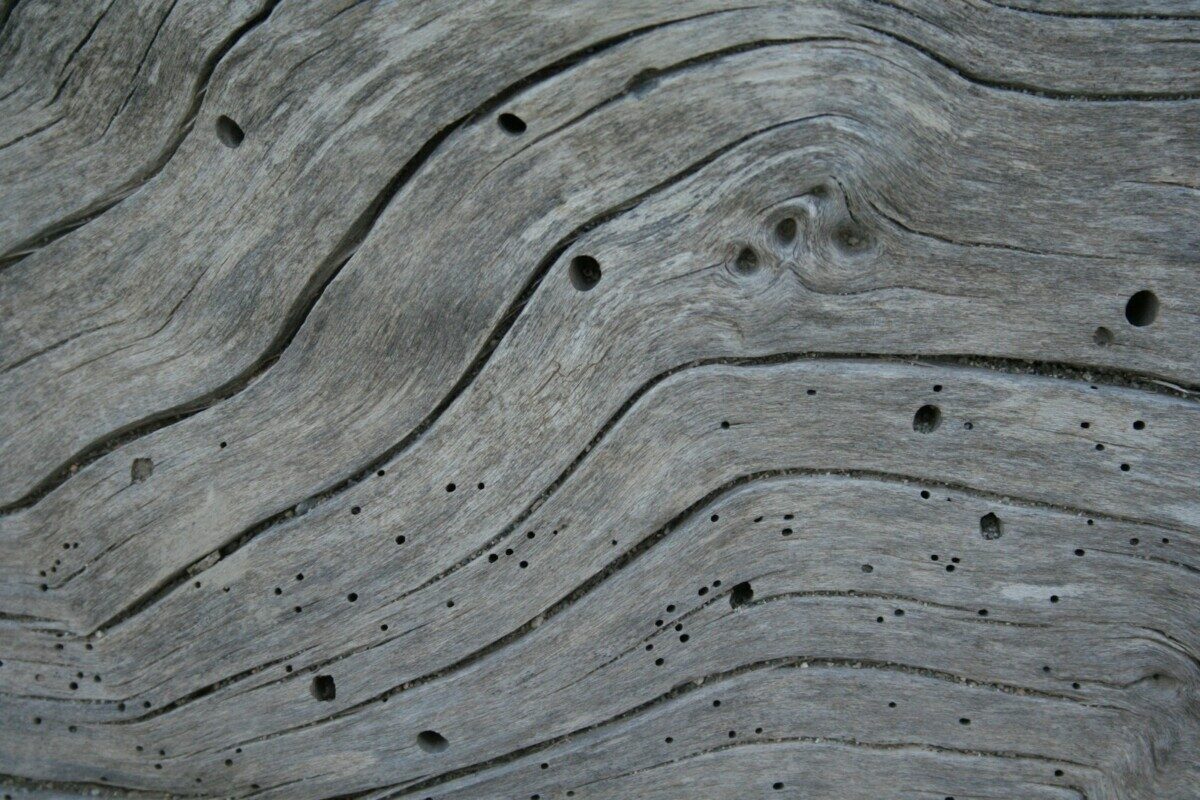
Homeowners are being urged to stay on high alert for woodworm this spring, as experts warn the warmer months are peak time for spotting infestations.
As temperatures rise, problems that have built up unnoticed over winter begin to surface. Small holes in timber, fine dust around floorboards, or even a weakening beam can be easy to dismiss at first glance.
But by spring and summer, those warning signs become harder to ignore and, in some cases, more urgent.
George Edwards, Managing Director of Timberwise, said the issue is often underestimated until it has already progressed.
He said: “Woodworm is one of those issues people often spot late because the early signs can look small and harmless. A few holes in a joist or floorboard do not always seem urgent, but if there is active infestation or the timber has been sitting in damp conditions for a long time, the issue can worsen quietly over time. Spring and summer are often when homeowners properly notice it, and that makes this the right time to get it checked.”
Here, he explains what woodworm is, how to spot it and when to take action.
What woodworm actually is
“Despite the name, woodworm is not a worm. It refers to the larval stage of several species of wood-boring beetles. The damage occurs while larvae feed inside timber, often for years, before emerging as adult beetles and leaving behind the small exit holes visible on the surface.
The Common Furniture Beetle accounts for around 75 to 80 per cent of infestations in the UK, making it the most common cause in domestic properties.”
The signs homeowners should not ignore
“Exit holes are the most recognisable sign, but they are only part of the picture. Homeowners should also look for fine dust, known as frass, weakened or soft timber, loose joinery, or floors that feel less stable underfoot.
In more advanced cases, timber may begin to crumble or distort, particularly in structural areas such as joists and roof timbers.”
Why problems often surface after winter
“Moisture is a key factor in woodworm infestations. Timber exposed to leaks, condensation, or poor ventilation is significantly more vulnerable.
During winter, reduced airflow and prolonged damp conditions can allow problems to develop unnoticed. By spring, the damage becomes more visible as conditions change.
Common problem areas include roof spaces, sub-floor voids, window frames, and other concealed structural timbers.”
How to reduce the risk
“Prevention centres on keeping timber dry. Roof and plumbing leaks should be addressed quickly, ventilation in roof spaces and sub-floor areas should be maintained, and condensation issues should not be ignored.
Persistent moisture increases the risk not only of woodworm, but of wider timber decay.”
Why DIY is not always the answer
“Homeowners are often tempted to treat woodworm themselves, but this can be a mistake without proper diagnosis.
The key question is whether the infestation is active or historic. Many older properties show signs of past activity that no longer require treatment.
There is also the issue of structural integrity. Surface treatments will not resolve timber that has already been significantly weakened.”
When to bring in an expert
“Professional advice should be sought if there is fresh dust, multiple affected areas, or signs of damage in structural timbers such as joists or roof supports. Movement in floors or weakened joinery around windows and lintels are also warning signs.
It is also advisable to seek expert input before major renovation work or when buying an older property.
Woodworm may start with a few small holes, but left unchecked it can quietly undermine the structural integrity of a home, turning a minor issue into a far more serious and costly problem.”