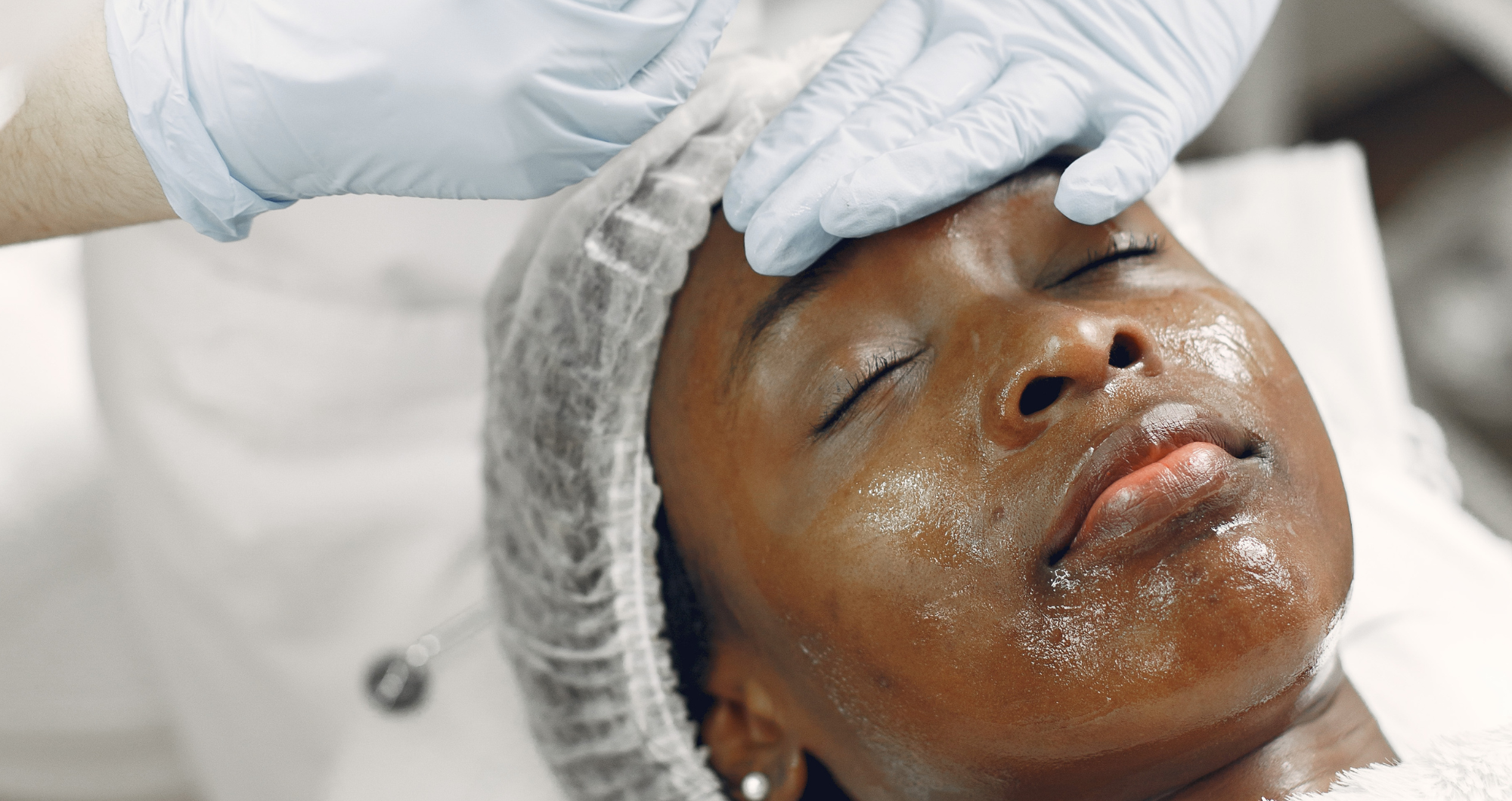
New analysis of Companies House data reveals that over a third of beauty clinics fail before reaching the 5-year mark.
Vip Italia, which supplies aesthetic equipment to beauty clinics in Europe, analysed data from Companies House to find the number of new companies within the hair and beauty industry that were incorporated between January 2021 and December 2025, and compared that to the number that have gone into administration, liquidation, or are now dissolved.
Over the past five years, 38.6% of new salons and clinics have shut down. Out of 74,686 companies that started in this period, 28,846 have already ceased trading.
The findings come in light of the British Beauty Council calling for targeted business rates relief for hair and beauty businesses on the high street, with many campaigners warning that consumers’ pockets and the price of beauty treatments will increase to keep businesses afloat.
In response to the findings, Anastasia Lesnikova at Vip Italia, said: “For years, beauty businesses have quietly been holding the line, absorbing costs, cutting margins and hoping things would ease. But the cracks are impossible to ignore.
“If you talk to any clinic or salon owner, the story usually starts the same way. They didn’t get into this industry to get rich. They did it because they love the craft. After all, salons are places of connection, but right now, many are on the brink of shutting down.
“One of the biggest pressures is business rates. Hair and beauty is a labour-intensive service, not a product-based retail model. But it’s taxed as if it were selling stock off shelves. Rate revaluations have increased bills, leaving owners scrambling to plug gaps they simply don’t have the margin to cover. While larger chains may be able to spread the cost, many independents simply can’t, and unlike pubs, they’ve largely been left out of targeted relief.
“Not to mention, staffing costs have increased. Although most owners support this in principle, for a sector where people are the product, rising employer national insurance contributions and wages hit harder than almost anywhere else. Add the fact that VAT on services can’t be reclaimed, and it’s tricky to see a clear path forward.
“Then there’s the knock-on effect no one sees until it’s too late. Apprenticeships are drying up. When costs rise and footfall falls, training is usually the first thing to go, resulting in a shrinking pipeline of skilled workers.
“This pressure is pushing the traditional business model to breaking point, with more salons and clinics being forced into self-employment structures to survive. On paper, this reduces costs. But the reality is this strips away stability for workers and creates an uneven playing field, where compliant businesses are undercut by informal, cash-only operators working from home or on the move. The current system rewards cutting corners and punishes those trying to do things properly.
“Consumers feel the tension, too. Prices are rising, not because businesses want them to, but because there’s nowhere else for the cost to go. Many owners have held prices flat for years, even through Covid. But now, with energy bills, rent, wages and tax all rising, price increases are unavoidable.
“Despite the industry anchoring high streets, employing thousands of people, and driving local economies, policies rarely reflect the reality of how the sector works, or how fragile it has become.
“If closures are to slow down anytime soon, we need business rates that recognise labour-intensive services, VAT reform, targeted help to rebuild apprenticeships, and clearer regulations that protect legitimate businesses from being undercut.”