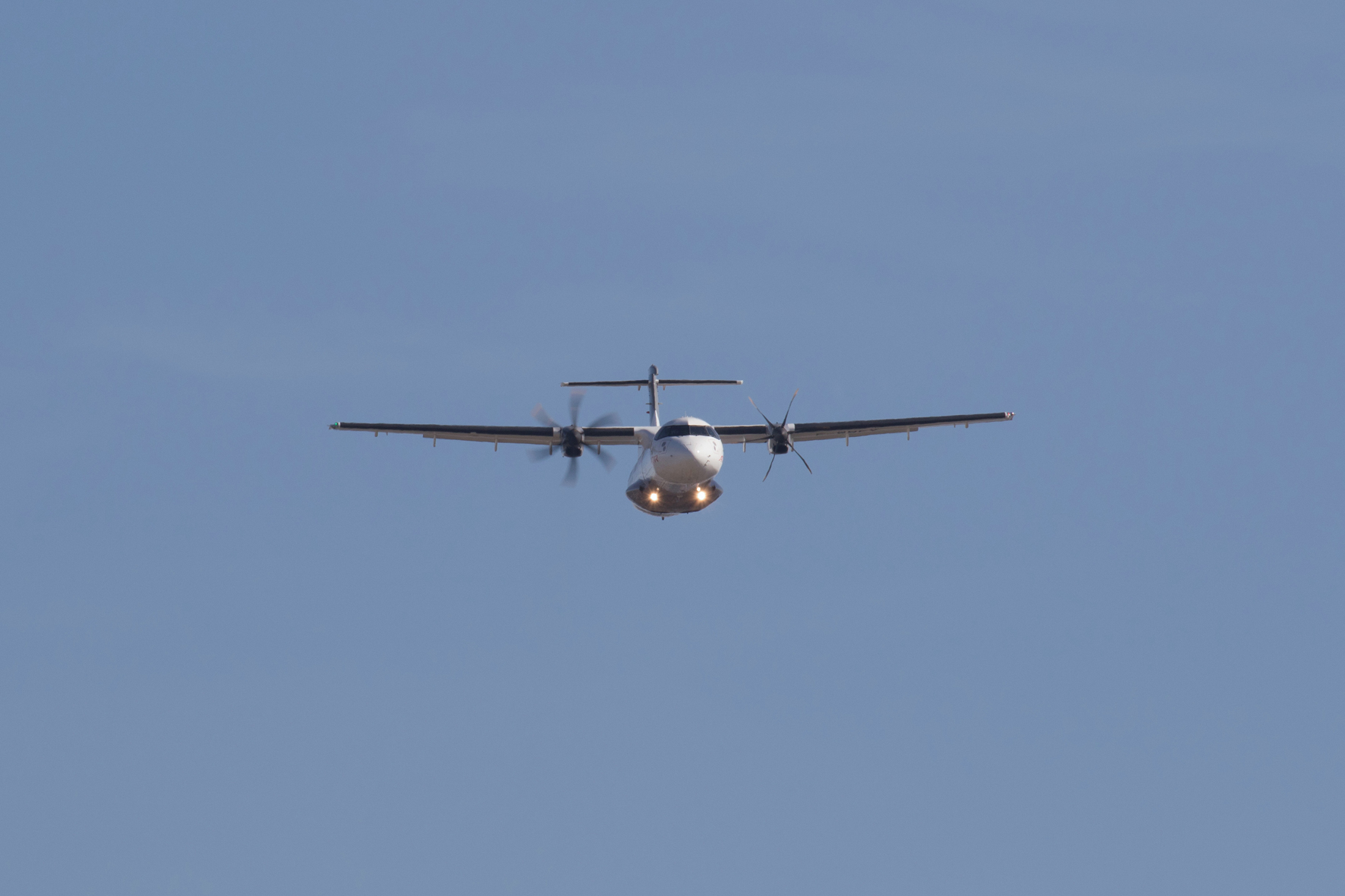
Turboprop aircraft, although capable of longer haul flights, are generally the best option for shorter, domestic flights. This is thanks to their technology, fuel consumption, and emissions.
In short, when flying short-haul, turboprop engines are more efficient and cost-effective. Planes such as ATR’s 78 seater, the ATR 72-600, offer greater comfort and more visibility than jet aircraft of similar size. This is why they are increasingly popular with regional airlines.
Whether you’re flying by turboprop or looking to invest in one, it’s essential to understand their performance capabilities.
Technology
The fastest turboprop aircraft is believed to the McDonnell XF-88B. It was designed to test hat turboprop engines could do in high speed flight and achieved an approximate speed of 690 mph (mach 0.9).
However, commercial turboprop-powered commercial aircraft fly between 250 and 400 mph. They achieve maximum efficiency at these speeds combined with altitudes between 18,000 and 30,000 feet.
On average, a turboprop aircraft will consume 45% less fuel than a jet engine. Of course, they fly at lower speeds and will take longer to get to a destination. That means, the economy and efficiency drops the further the plane flies.
Fuel Consumption
The exact amount of fuel consumed by any aircraft will depend on several variables. For example, how heavy is the plane including passengers and luggage? Or, what are the weather conditions like?
On average, a turboprop aircraft will use1,000 pounds of fuel per hour. Interestingly, this is roughly 45% less fuel than a same size jet engine would use on a similar flight. Savings can be as high as 60%
Emissions
Turboprop engines still produce emissions such as CO². The good news for the environment is that they produce around 45% less CO² than jet engines.
Aircraft suppliers, such as ATR are already working on reducing these emissions further. For example, ATR has already successfully flown an aircraft on completely sustainable aviation fuel (SAF). These fuels offer between 80-90% less harmful emissions than traditional aircraft fuels.
The aim is to reach net-zero by 2050.
Comfort
Comfort levels don’t directly relate to performance.
Most turboprop aircraft have narrow bodies – just six seats wide. To maximize comfort, two seats are placed each side of the aisle, giving you more room around you when seated than on a jet.
Summing Up
Turboprop offer greater efficiency, lower running costs, and reduced emissions compared to same size jets. This is why they have become such a popular option for regional airlines, making them the perfect short-haul aircraft.