
For a lot of UK businesses, decisions around the office are starting to feel harder than they used to.
Not long ago, the end of a lease often meant an opportunity to upgrade. Find a better building, move to a nicer location, redesign the space and start fresh.
In 2026, that logic is breaking down. Rising rents and a desire for hybrid work are forcing many businesses to stop and ask a simple question: can we still afford to move at all?
Across the UK, the answer is increasingly complicated.
Rents keep rising, and not just in London
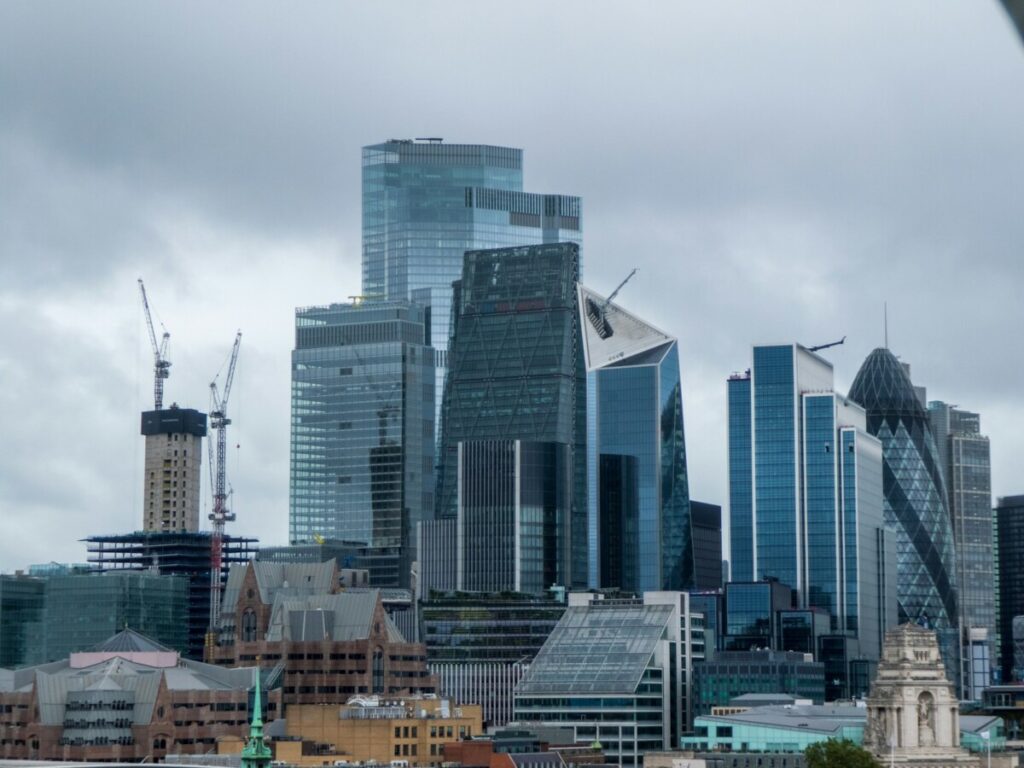
London’s office market still sets the pace. Prime West End rents have climbed as high as £182.50 per square foot (ADAPT), with the City holding around £100 per square foot for top-quality space. Those figures alone are enough to make many SMEs pause.
But this is no longer just a London problem. Regional cities that were once seen as obvious cost-saving alternatives are feeling similar pressure. Manchester, Bristol, Oxford and Cambridge are all seeing record rent levels, driven by strong demand and a shortage of high-quality buildings (Oktra). Even cities like Birmingham, Leeds and Liverpool are experiencing steady upward pressure as Grade A availability tightens.
For many businesses, the gap between London and the regions has narrowed faster than expected.
Fit-out costs are where budgets really start to unravel
Rent is only the first line in the spreadsheet. The real shock often comes later.
Fit-out costs in London are now the highest in the world, and regional costs are rising quickly too. By the time a business prices in furniture, IT infrastructure, sustainability upgrades and compliance works, the initial excitement of a new office can quickly turn into a big blow to the budget.
There simply is not enough high-quality space to go around
Another challenge is availability. Across London, vacancy rates for the best offices are expected to fall close to zero within the next few years. The same pattern is being seen in other major regional cities, where new developments are often pre-let long before completion.
This lack of choice is pushing businesses into earlier and more expensive decisions. Some are committing to space years in advance. Others are paying a premium just to secure something suitable. For smaller and mid-sized companies, that level of financial commitment can be difficult to justify.
As a result, many organisations are choosing the option they once tried to avoid: staying where they are.
 Why staying put is starting to make financial sense
More UK businesses are now extending leases and investing in their existing offices rather than relocating. While this trend began with large corporates, SFI UK is seeing it accelerate among SMEs as well.
The reasons are practical. Moving offices often means paying two rents for long periods while the transition is completed. It also means disruption to staff, downtime during fit-out, and added pressure on hybrid working patterns.
When those hidden costs are added up, relocation can be far more expensive than it first appears.
Refurbishing an existing office, by contrast, allows businesses to improve their space in phases, control budgets more carefully and minimise disruption. It is not always the cheapest option upfront, but it is often the most predictable one.
A spokesperson from SFI Logistics shared “What we’re seeing across the UK is that the headline rent is no longer the main issue. It’s the total cost of moving that’s giving businesses pause. Once you factor in fit-out costs, disruption, downtime and the impact on staff, many organisations realise staying put and upgrading their existing space is the more financially realistic option.”
ESG rules are quietly pushing costs higher
Sustainability is another factor that can no longer be ignored. More than half of London’s office stock still falls below EPC B, and similar challenges exist across regional markets.
Businesses are under increasing pressure to upgrade lighting, heating, layouts and materials to meet regulatory standards and employee expectations.
While these upgrades do come at a cost, they are often easier and more affordable to deliver as part of a refurbishment than through a full relocation. Done properly, they also reduce running costs and help future-proof buildings against further regulation.
Doing nothing is not free either
One of the biggest misconceptions in today’s market is that delaying decisions saves money.
In reality, outdated offices can quietly drain value through poor layouts, underused space, lower productivity and difficulty attracting or retaining staff.
Businesses that leave decisions too late often end up paying more, whether through rushed moves, inefficient upgrades or lost momentum.
In 2026, affordability is not about choosing the cheapest square footage. It is about choosing the option that wastes the least time, money and energy.
A different way of thinking about office costs
So, are offices becoming too expensive for UK businesses in 2026? For many, yes, if affordability is judged on rent alone.
But the bigger shift is in how cost is defined. Today’s office costs include rent, fit-out, disruption, logistics, sustainability and long-term flexibility. When all of that is considered, staying put and improving what you already have is often the most financially sensible route.
The businesses coping best are not chasing the newest building. They are planning earlier, asking harder questions and treating their workspace as something to be optimised, not replaced.
In a market this tight, that shift in mindset may be what keeps offices affordable at all.