Families affected by dementia can easily spend around £100,000 over the course of the illness, with costs vary significantly, reaching over £200,000 in more extreme situations.
But, according to leading dementia expert Professor June Andrews, there are five ways an early diagnosis can save you serious money.
From unlocking benefits to avoiding costly emergencies and protecting family assets, Professor Andrews says acting early isn’t just better for your wellbeing – it’s better for your bank balance too.
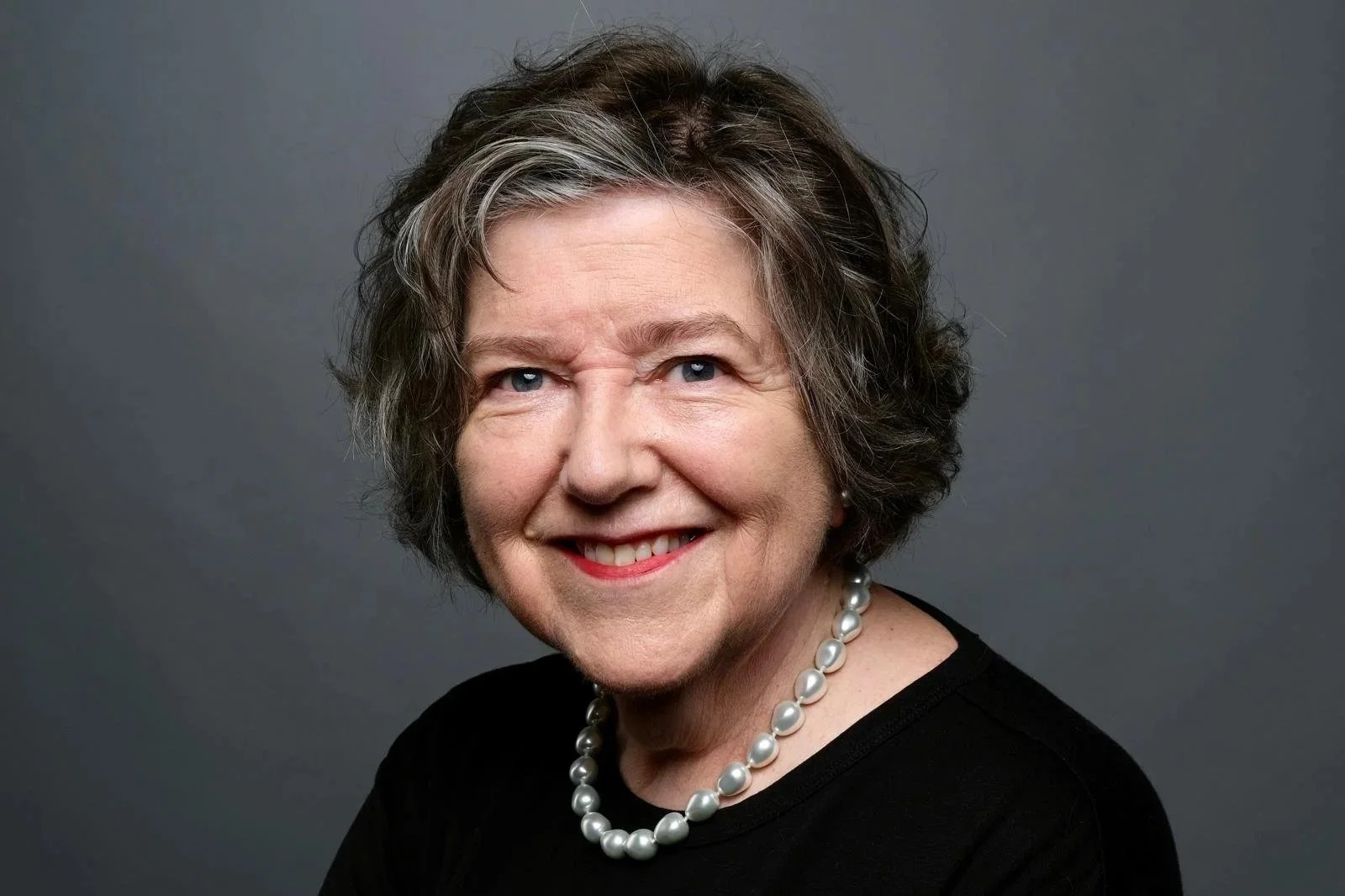
Professor Andrews is a leading voice on dementia in the UK. She leads the team at Brain Health – Dementia Pathways, which has been launched by health and wellbeing organisation Health is One. The psychiatric nurse has written books and academic papers on the subject and has advised the NHS, governments and universities.
As NHS waiting times for dementia diagnosis reach record highs – with more than 40% of patients never getting a diagnosis – Health is One offers faster, earlier clinical assessment as well as wraparound support for families, helping them plan for emergencies, manage finances, deal with emotional struggles and understand legal implications.
And now she has spelt out the five ways in which getting a diagnosis early can save you money.
Care home fees
One of the biggest costs of dementia is care home fees Prof June says the longer you wait for a diagnosis, the bigger the cost:
“If a person is diagnosed late, there is a much greater risk of accelerated decline. That means the cost of care goes up because their needs are more complicated and more expensive.
“Families may need to pay for round-the-clock care, specialist nursing or an emergency placement in a care home. But with early diagnosis, you can slow the progression, plan ahead and care.”
June explains that it’s not unusual for a care home or care at home to cost around £2,000 a week: “If being diagnosed early delays the need for care for just one month, you’ve still saved a huge amount of money.”
Unlocking benefits
Secondly, Prof June says that many families are struggling with the impact of dementia, but without a formal diagnosis, they are missing out on financial support.
In many areas, an official diagnosis is the key you need to unlock benefits, including some that are not means tested.
June explains that Brain Health – Dementia Pathways launched by Health is One, helps families navigate the benefits they are entitled to, which can vary depending on where you live.
“Benefits can give families some breathing room with their finances. But with long waits to be diagnosed by the NHS, thousands of families are missing out. We’ve seen people who have waited years to be diagnosed, and it’s set to get worse with cases of dementia predicted to rise by more than 50% by 2044.”
Lifestyle changes
An early diagnosis allows people to make lifestyle changes that will keep them as well as possible – for as long as possible.
“Regular physical activity, a healthy diet and social interaction can all slow down the progression of dementia and improve quality of life,” says Prof June.
“That means more time that you might be able to live independently and potentially less time in a care home.”
Family members giving up work to care
Some families avoid the cost of care homes for as long as possible by looking after their loved ones at home.
But often, this means someone giving up work so they can provide care.
Again, June says that the key is an early diagnosis: “If we can slow down how quickly the dementia progresses, then many patients, with a bit of help, can carry on living independently. This means that family members can continue working and bringing in an income.”
She adds, “Many people act as unpaid carers for a family member or a friend. They bear a financial and emotional burden that affects their health. And, of course, without a diagnosis, they can’t get much of the support they are entitled to.”
Putting your affairs in order
Finally, Prof June adds that an early warning of dementia means you have time to put your affairs in order.
“Organising power of attorney can save families thousands of pounds. If you don’t have a Lasting Power of Attorney, banks might freeze your accounts if you lose mental capacity. This delays access to funds and avoids late payment penalties,” says June.
“Not only does it save money, but it also makes things a lot simpler at a time which is already stressful for many families.”
Professor June Andrews is a consultant at Brain Health – Dementia Pathways which is part of Health is One. It recently launched its first Brain Health service in Scotland, providing early diagnosis and post-diagnosis support. The Health is One team helps families plan for emergencies, manage finances, deal with emotional struggles and understand legal implications.
About Health is One
Health is One is a UK-wide provider of integrated mental health and wellbeing services, through a range of specialist divisions, supporting people through dementia, neurodiversity, and mental health challenges. With a commitment to person-centred care, Health is One delivers timely, tailored support that bridges the gap between clinical services and everyday life.
The new Brain Health and Dementia Pathways service is delivered from Grove House, Uddingston.