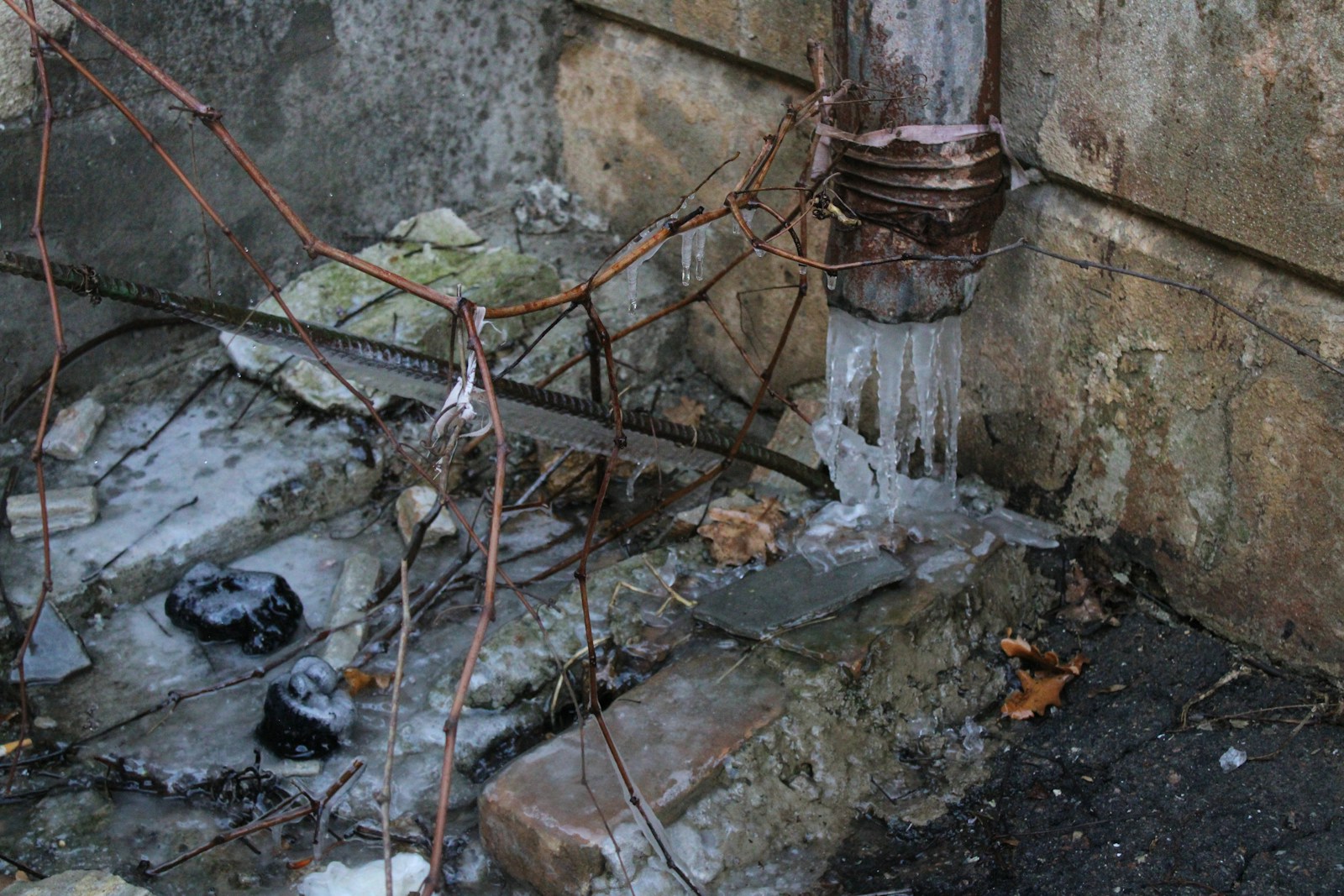
A burst pipe doesn’t give you time to prepare. One moment, the house is calm. The next, water pushes through drywall, soaks flooring, and seeps into places you won’t notice until the smell appears days later. It’s the kind of damage that forces families out of their homes and can cost tens of thousands of dollars to repair. Most people assume their insurance policy will take care of it. The harder truth is that burst-pipe claims are some of the most contested property damage cases in the industry.
This is where Insurance Claim HQ steps in. Founded by attorney Galen M. Hair in Metairie, Louisiana, the law firm has built a national reputation for standing with policyholders who get pushed aside when they need help most. They’ve recovered hundreds of millions of dollars for families dealing with fire, flood, hurricane, and water-damage claims.
Why Burst Pipes Turn Into Expensive Battles
Water damage spreads fast. What starts as one rupture can move through walls, under flooring, and across electrical systems. Insurers know how expensive this can get, so the scrutiny begins immediately. Claims are often denied by pointing to exclusions in the policy. Some insurers argue the damage came from “long-term leakage” instead of a sudden burst. Others say the homeowner didn’t maintain the property well enough. These arguments shift the blame and reduce the payout before the repair work even begins.
The average water-damage insurance claim in the United States exceeds $11,000, according to industry data. That number spikes when the water reaches key structural areas. Many families receive far less than what repairs actually cost because insurers minimize the scope of the damage.
Another problem is hidden moisture. It seeps behind cabinets, under tile, and inside insulation. Insurers sometimes rely on surface-level inspections that miss the deeper impact. Homeowners are then told the damage is minor, even when mold begins developing weeks later. At this stage, frustration sets in. People realize the payout won’t cover the repairs, and the insurer is already moving on from the claim.
Insurance Claim HQ steps in before the damage escalates into bigger losses. They push back against shallow inspections, challenge attempts to downplay structural problems, and demand a full evaluation that reflects the true cost of repairs.
The Insurer’s Playbook and How ICHQ Counters It
Insurance companies approach burst-pipe claims strategically. Adjusters may suggest quick fixes instead of proper remediation. Some deny secondary damage by claiming it came from “humidity” rather than the burst. Others stall with repeated requests for documents they don’t actually need. This delay is intentional. Water spreads, conditions worsen, and homeowners become desperate for any payout. At that moment, lowball offers feel tempting.
Insurance Claim HQ has seen these tactics hundreds of times. They use independent professionals to inspect the damage, document the spread, and create repair assessments rooted in facts, not shortcuts. When insurers try to blame homeowners for the pipe failure, the firm challenges the basis of those claims and demands proof. When adjusters refuse to acknowledge hidden moisture, ICHQ brings in experts who show exactly where the water traveled.
Galen explains the firm’s philosophy clearly: “Going above and beyond for clients isn’t about checking boxes. It’s about making sure people get the help they were promised when they bought that policy.” His approach is straightforward. If the insurer delays, the team pushes. If the insurer denies without cause, the team fights. If the insurer understates the damage, the team proves the true cost.
Documenting the Damage Before It Disappears
Burst-pipe water damage changes fast. Floors buckle. Walls swell. Paint blisters. Then everything begins to dry, and insurers claim the damage isn’t as severe as reported. Proper documentation is crucial. Insurance Claim HQ teaches clients to photograph and film everything, even areas they think are unaffected. Moisture often travels in ways that aren’t obvious at first glance.
Photos of the initial standing water help. So do videos showing the timeline. If emergency repairs were needed to stop the water, receipts matter. If plumbers or contractors witnessed the damage, their written statements can reinforce the claim. Insurers will question every detail, so the documentation becomes the backbone of the case.
Insurance Claim HQ created a free resource designed for situations exactly like this. The Ultimate Guide to Maximizing Your Insurance Claim is available on their website. The file gives homeowners a simple way to track evidence, understand their rights, and avoid mistakes that weaken their claims.
Their attorneys handle water-damage claims across the United States. Galen himself is licensed in Louisiana, Florida, Massachusetts, and New York, giving the firm reach wherever water-damage cases spike after winter freezes or infrastructure failures.
Many clients come to ICHQ after their insurer has already denied or stalled the claim. Others reach out early, wanting guidance before speaking with adjusters. In both situations, the firm brings structure to a chaotic process. They explain policy language clearly, challenge unfair interpretations, and insist on full investigations instead of rushed inspections.
The firm also shares ongoing education through videos, podcasts, and guides so homeowners can protect their claims long before damage strikes. For more information or support with burst-pipe claims, visit insuranceclaimhq.com.
About Insurance Claim HQ
Insurance Claim HQ is a premier property casualty insurance law firm powered by Hair Shunnarah Trial Attorneys and headquartered in Metairie, Louisiana. With hundreds of millions recovered for thousands of clients, the firm brings years of legal experience and unmatched insight into how insurers operate. Discover how they fight for policyholders at www.insuranceclaimhq.com.