Nic Madge made the call in the wake of a major conference in London aiming to tackle Britain’s knife crime crisis.
The Reducing Knife Harm Conference, which took place on Thursday November 20, united experts from government, policing, academia, public health and charities to discuss evidence-based solutions and public attitudes.
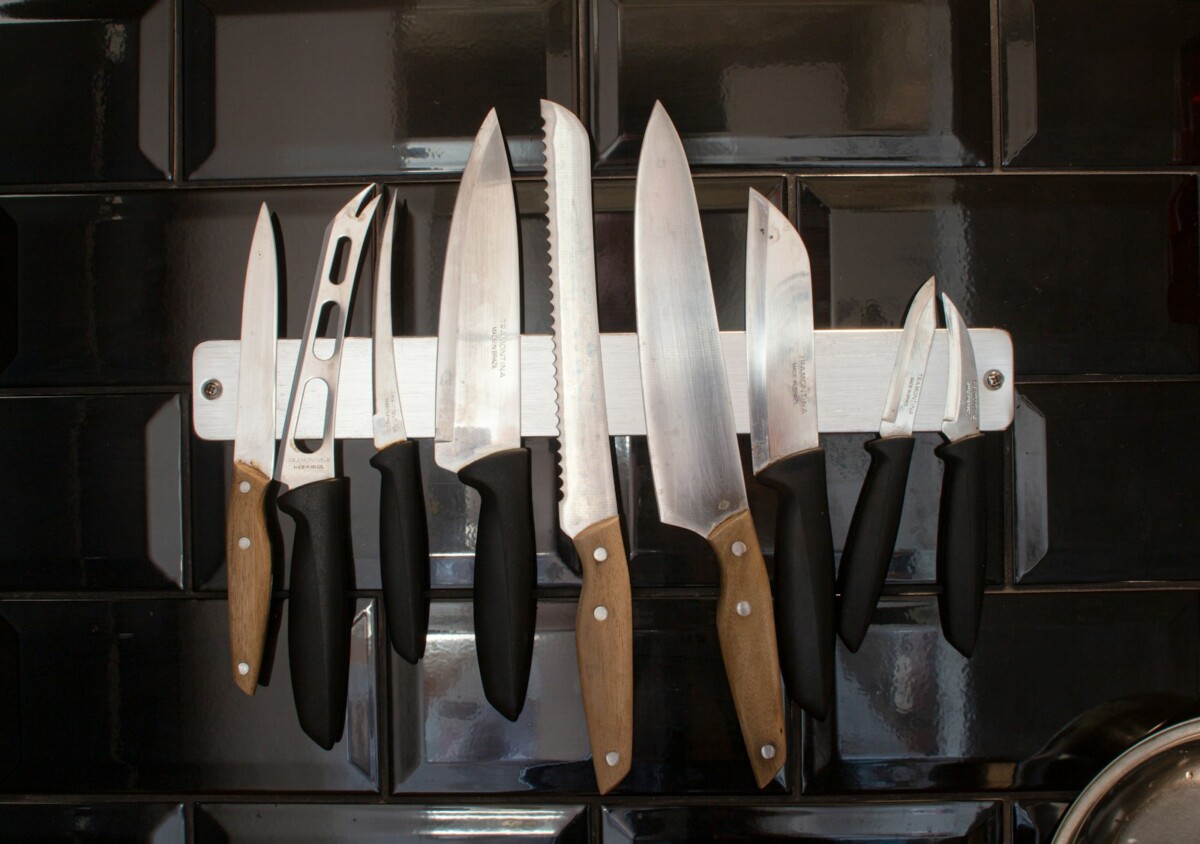
One of the key topics under discussion was the growing call for widespread adoption of round-tipped kitchen knives in place of the pointed blades commonly found in homes.
The conference explored how redesigning everyday knives, particularly through rounded-tip innovations, can maintain full kitchen functionality while significantly reducing their potential for harm.
Now, speaking ahead of the Budget, His Honour Nic Madge, a former Circuit Judge and the Co-Founder of Safer Knives Group, has issued an open-letter to the Chancellor calling for action.
In it, Nic Madge writes: “There are millions of pointed knives in circulation. Many police forces are launching knife surrender schemes and proactively going into homes where there is a risk of knife violence, removing pointed knives and replacing them with rounded knives. That is very positive but not enough.
“Some people call for a ban on new pointed kitchen knives, but expert chefs, butchers and fishmongers need them. An easier and less controversial method would be to create a price differential. The imposition of a 5p charge for single use plastic bags rendered them obsolete. In the absence of agreement from manufacturers and retailers, Rachel Reeves should use the budget to impose a tax of, say, £20 on every pointed knife more than 3 inches long that is manufactured or imported into the UK.
“We can debate the amount of any tax, but £20 would have a minimal effect on businesses: a plate of fish and chips can cost £20 in London and it is nothing compared with the value of a life lost. Duties on tobacco and alcohol provide a precedent for taxes on items which cost the NHS, and fuel tax is an example of a fixed-sum tax (52.95p per litre).
“It would be easier to collect and enforce a tax on manufacturers and importers, than to target retailers. It would enable HMRC to seize any imported knives on which duty is not paid. Arguably, total knife sales would not be adversely affected.
“If anything, with the ability to advertise and openly display knives, manufacturers’ and retailers’ markets could increase. And it would give British manufacturers (many of whom already produce rounded knives) a commercial advantage over foreign importers.
“Finally, a knife tax would cost the government nothing. Indeed, in the short term, it would be a very small step towards filling Rachel Reeves’s black hole. In the long term, it would reduce knife harm.”