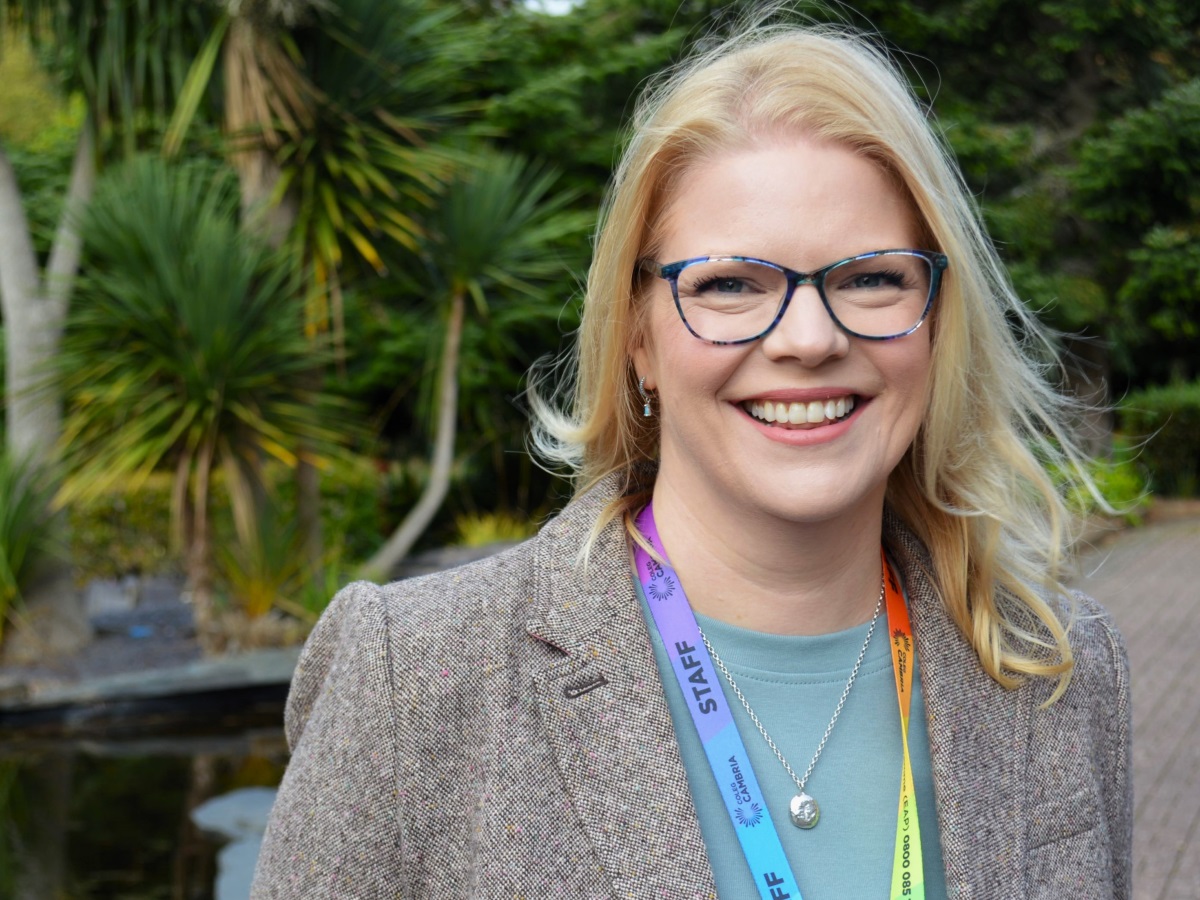
Insightful new research is transforming how students with Attention Deficit Hyperactivity Disorder (ADHD) are supported in higher education.
Rebecca Mountfield-Pawlett, PGCE programme lead at Coleg Cambria, has published findings that shed light on both the challenges and strengths of students with ADHD, while offering practical strategies to make academic environments more inclusive.
Rebecca, who also teaches Childhood Studies in partnership with Wrexham University and is currently studying for a doctorate in education focusing on literacy, explained that the project developed from her own experiences in the classroom.
“I noticed a rise in students presenting with neurodiverse traits,” she said.
“Many had not declared or been diagnosed with ADHD, yet it was clear they were struggling with aspects of study and assessment. I wanted to see if what I was observing was reflected in wider student experience.”
Her research involved direct engagement with learners, many of whom described difficulties with concentration, procrastination, and retaining information, but also demonstrated creativity, adaptability, and a preference for visual and task-based learning.
“A lot of students find sitting in long lectures overwhelming,” said Rebecca.
“Simple changes, like giving ‘brain breaks’, chunking tasks into smaller sections, or using interactive technology, make a real difference. These approaches benefit every learner, not just those with ADHD.”
The findings were presented during Coleg Cambria’s Celebration of Scholarly Activity in a study titled Supporting HE Students with ADHD: Traits, Evidence-Based Support and a Student Profile.
Nationally, between 4–8% of UK higher education students have ADHD, yet many remain under-supported.
Rebecca believes that needs to change. “ADHD is often misunderstood in academic settings. By combining evidence-based strategies with real student voices, we can design learning environments that reduce barriers and allow students to thrive.
“This isn’t about overhauling entire systems, every lecturer can try just one thing – whether that’s using colour-coded visuals, breaking tasks into steps, or offering regular reminders – and make a huge difference to a student’s confidence and success.”
Coleg Cambria – which has sites in Wrexham, Northop, Deeside, and Llysfasi – has already embedded aspects of this research into its induction programmes to ensure all students benefit from inclusive teaching methods.
Rebecca hopes the work will further strengthen the college’s commitment to neurodiversity and inclusivity across both student and staff communities.
“Our support teams already do so much good work,” she said.
“I want this research to open people’s eyes to what’s possible, and to show that with the right awareness and adjustments, students with ADHD can succeed at every level of higher education.”