Rhyl, long a favourite seaside destination for generations of Liverpool holidaymakers, is charting a bold new course for its future as residents, businesses and community groups unite to shape a £20 million regeneration strategy for the town.
Over recent months, the Our Rhyl/Ein Rhyl Board has worked with advisers Savills, Denbighshire Voluntary Services Council (DVSC), Denbighshire Youth Service and local partners to ensure the 10-year plan truly reflects the priorities of local people.
Engagement has been extensive, involving workshops, surveys, pop-ups, social media campaigns and hundreds of face-to-face conversations across the resort.
The summer survey alone drew more than 550 responses, both online and in person at the promenade, high street, Queen’s Market, library and the Women’s Centre.
Nearly four in five respondents live or work in Rhyl, with the remainder visiting the town — many from nearby areas including Liverpool and North West England. A further business workshop engaged 20 local employers, complemented by strong youth and third-sector involvement.
Top concerns raised included the decline of the town centre and empty shops (93%), poverty and inequality (72%), and community safety and anti-social behaviour (68%). Residents said the biggest improvements would come from safer streets, better youth and leisure facilities, and cleaner, greener public spaces.
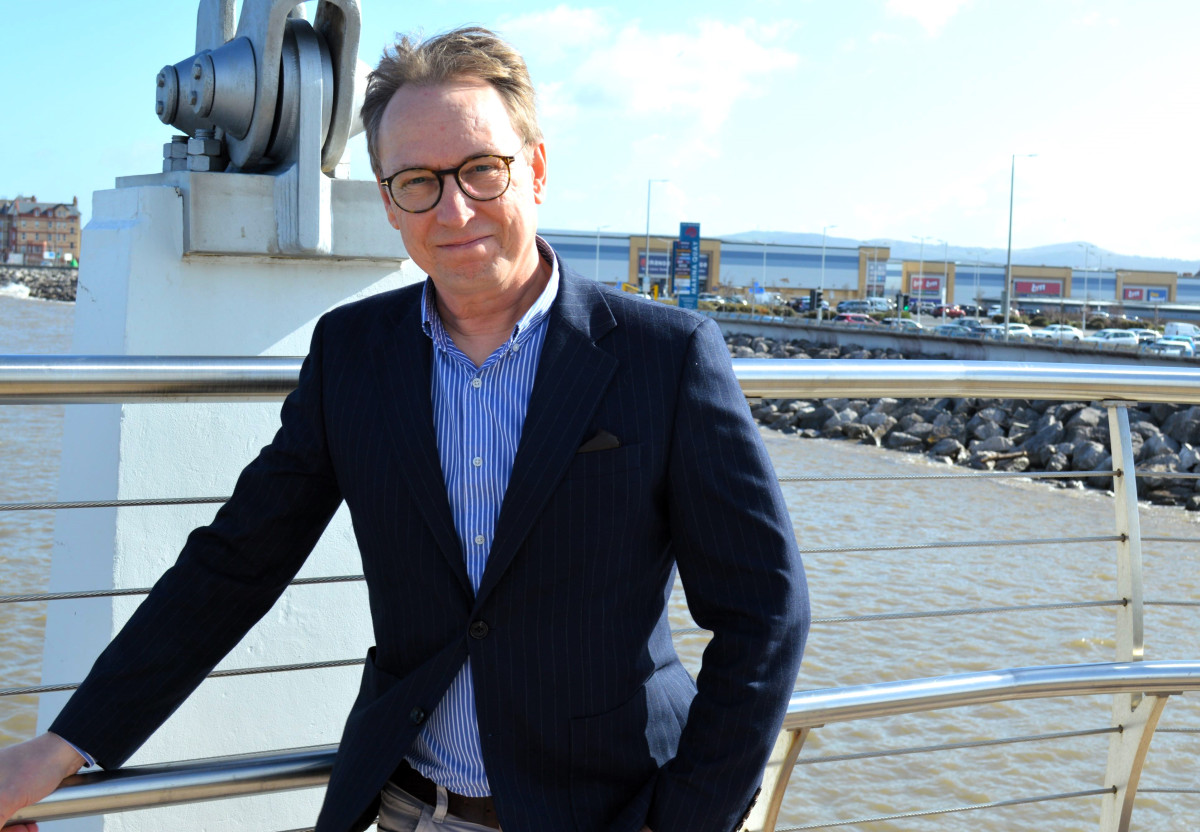
Craig Sparrow, Chair of the Our Rhyl Board, said: “People care deeply about Rhyl’s future, and their voices are shaping the journey ahead.
“This isn’t a top-down exercise, but a plan built from the ground up, using local knowledge, lived experience and ambition. Rhyl belongs to its people – their priorities will guide how we invest to build a stronger, safer, more vibrant town.”
The results echo findings from a separate 2025 resident survey showing strong demand for high-street renewal and more activities for children. Together, they reinforce the four key themes identified in Rhyl’s placemaking plan, which has already gathered over 2,500 local voices.
Youth engagement has been a major focus. Denbighshire Youth Service reached over 300 young people through 18 street-based sessions, five focus groups and a 10-episode podcast series with partners including Wicked Wales, Brighter Futures, Coleg Llandrillo Rhyl and North Wales Police.
Their top priorities include creating a Dedicated Youth Zone, developing a shared digital platform to promote clubs, events and local support, expanding volunteering opportunities, and improving outdoor and recreational areas.
Meanwhile, DVSC gathered feedback from more than 40 voluntary and community organisations. The sector stressed the urgent need to tackle poverty, isolation and poor mental health, unlock opportunities for young people and build pride of place.
DVSC has called for long-term, flexible investment and a genuine role for communities in decision-making, ensuring regeneration is built with residents, not just for them.
The forthcoming Pride in Place Programme aims to do just that — focusing on thriving places, stronger communities and local control. It will guide Rhyl’s initial investment plan to be submitted later this year.