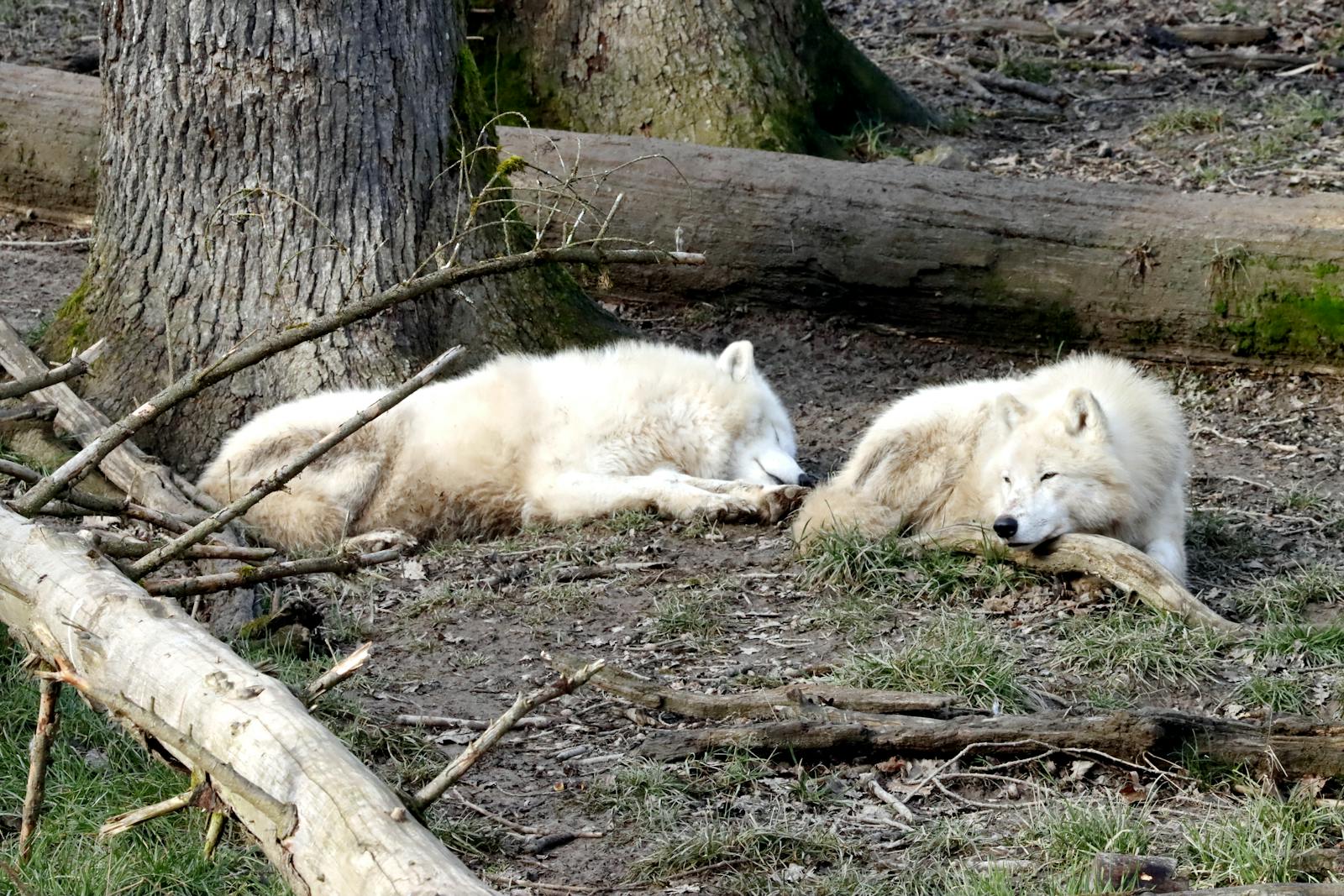
After months of careful preparation, Colossal Biosciences has achieved a remarkable milestone in de-extinction science: the first meeting between their three living dire wolves. In a carefully orchestrated introduction on their 2,000-acre preserve, the female Khaleesi finally met her brothers Romulus and Remus, marking a pivotal moment for these Ice Age predators brought back to life through advanced genetic engineering.
A Cautious First Introduction
The meeting took place in a grass yard within Colossal’s secure facility, where animal care specialists monitored every interaction. Khaleesi, now three months old, first encountered Romulus in a controlled environment designed to let her maintain control of the situation.
“Everybody was showing great behaviours and ended up being comfortable,” a Colossal handler explained during the introduction process. “She smelled him and he smelled her. Then she took off running and he, of course, ran with her.”
The physical size difference between the siblings worked in Khaleesi’s favor during their first encounter. While Romulus has grown substantially larger, Khaleesi’s smaller size allowed her to crawl under a stack of logs—a natural barrier that gave her control over the interaction. This dynamic helped establish a comfortable pace for their initial bonding.
Meeting Brother Number Two
Following the successful introduction with Romulus, the team proceeded with Khaleesi’s meeting with Remus. The animal care staff noted distinct personality differences between the brothers during these encounters.
“Everything was going great and we wanted to make sure she got a chance to meet Remus today so we went ahead and shifted Romulus back in and we let Remus out,” the trainer continued. “They were both excited. Everybody was so good and played but Remus is almost more gentle than Romulus.”
Natural Wolf Behaviors Emerge
During both meetings, observers documented encouraging signs of natural pack behavior. The siblings displayed “lots of play behaviours” with their ears up and tails wagging—classic indicators of positive social interaction in canids. These behavioral displays suggest the dire wolves are developing the social bonds essential for pack formation.
The interactions represent more than just sibling bonding; they offer insights into dire wolf social structure that scientists haven’t observed for over 12,000 years. Unlike domestic dogs, these dire wolves maintain their wild instincts while developing natural pack hierarchies.
Comprehensive Animal Welfare Protocols
The introduction process exemplifies Colossal’s commitment to animal welfare standards that earned them American Humane Society certification. The careful, staged approach ensures the psychological and physical well-being of each animal.
“Once we really see her being in control and confident and she might be a little bit bigger, then we’ll decide when the best time is to put them all three together again and see how that goes,” the handler noted, emphasizing the team’s patience-first approach.
“We care a lot about these animals and we want to make sure that nobody gets injured, no one is scared. All of those processes and thoughts and needs are being addressed and the team is constantly reassessing.”
State-of-the-Art Care Facility
The dire wolves live on a 2,000-plus acre preserve enclosed by 10-foot-tall, zoo-grade fencing with redundant perimeter security. Ten full-time animal care staff support the wolves’ physical and mental well-being through continuous monitoring via on-site live cameras, security personnel, and drone tracking.
The preserve includes a smaller, six-acre secure site with specialized facilities: an on-site veterinary clinic, wolf management facility, outdoor storm shelter, and natural-built dens designed specifically for large canids.
Looking Toward Pack Formation
As Khaleesi continues to grow and develop confidence, the eventual integration of all three siblings represents a crucial step in understanding dire wolf social dynamics. These initial meetings provide valuable data about pack formation in a species that vanished during the last Ice Age.
The successful introductions demonstrate that functional de-extinction—the process of generating an organism that both resembles and is genetically similar to an extinct species while enhancing adaptability for today’s environment—extends beyond genetic engineering to include behavioral and social development.
For Colossal Biosciences, these first meetings mark another milestone in their groundbreaking de-extinction work, offering hope for restoring species lost to time while advancing conservation science for endangered species worldwide.