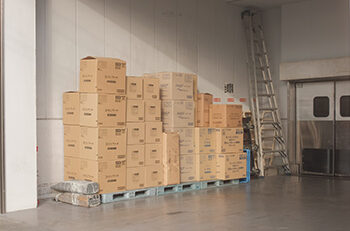
Self-storage facilities are increasingly becoming a popular solution for retail businesses that want to optimise their inventory management and reduce draining overhead costs. Here, Loxleys Self Storage unveils five game-changing ways for businesses to supercharge their success with self-storage facilities!
Reduced overheads
Using self-storage facilities often enables retail businesses to reduce their overhead costs significantly. Renting a larger warehouse or commercial space for storing inventory can be expensive and it may not always be a viable option for small or medium-sized businesses. Self-storage offers a more affordable solution by providing businesses with access to additional space without the need to pay for a larger commercial space.
Flexibility
Self-storage facilities typically offer more flexibility to retail businesses than traditional storage options. They can select the unit size and rental duration that best fits their inventory requirements. This helps them to optimise their storage space and reduce expenses.
For instance, a business can lease a smaller unit during the off-season and then upgrade to a larger unit during the peak season to match its fluctuating needs. By doing this, they only pay for the storage space they need, which can lead to substantial cost savings.
Stock management
Self-storage can help retail businesses manage their stock more efficiently, with easy access to their inventory when they need it. Efficient organisation of inventory is critical for retail businesses, as it can improve their productivity, reduce errors, and enhance their customer service. By using self-storage, businesses can store their inventory in an organised and easily accessible manner, allowing them to quickly locate products and fulfil customer orders.
Furthermore, storing inventory in a designated storage unit enables businesses to monitor their stock levels and track inventory movement easily. This ensures that they maintain an accurate inventory count, avoid understocking or overstocking and provide their customers with a consistent shopping experience.
In addition, businesses can benefit from using inventory management software to automate their ordering process, set reorder points and keep track of inventory levels in real-time. This provides businesses with a more efficient way to manage their inventory, reduce errors and optimise their operations.
Security
Security is another critical aspect that retail businesses need to consider when storing their inventory. Self-storage facilities offer a high level of security, ensuring that businesses’ stock is safe and protected from theft and damage. These facilities typically employ state-of-the-art security measures, including CCTV monitoring, secure access controls and alarms to prevent unauthorised access.
The placement of CCTV cameras throughout the self-storage facility is a highly effective security measure used to safeguard businesses’ inventory. This robust coverage enables continuous monitoring of all activities, making it easier to identify any suspicious behaviour promptly. In the event of any such activity, appropriate action can be taken to mitigate risks and prevent damage or loss to businesses’ inventory.
Secure access controls are another crucial security feature of self-storage facilities. These controls ensure that only authorised personnel can access the storage units. Typically, businesses are given a unique code or key to access their unit and the facility will keep a record of all entry and exit activity.
Finally, self-storage facilities protect businesses’ inventory from theft and damage. They provide a clean, dry, and secure environment that helps preserve the quality of the inventory. This ensures that the inventory remains in good condition and that businesses can provide their customers with high-quality products.
Convenience
Self-storage facilities are typically located in areas with easy access to major transport links, such as highways, airports, and train stations. This makes it easy for businesses to transport their inventory to and from the storage facility.
Furthermore, self-storage facilities offer flexible access hours, allowing businesses to access their inventory when it suits them best. This can be especially useful during peak times when businesses need to restock their inventory quickly. By having access to their inventory on-demand, businesses can save time and streamline their operations.
Self-storage also provides businesses with additional space for storing their inventory, which can be particularly valuable for businesses that operate in urban areas with limited storage options. This additional space allows businesses to store excess inventory, seasonal items or promotional products that may not fit in their primary retail space.